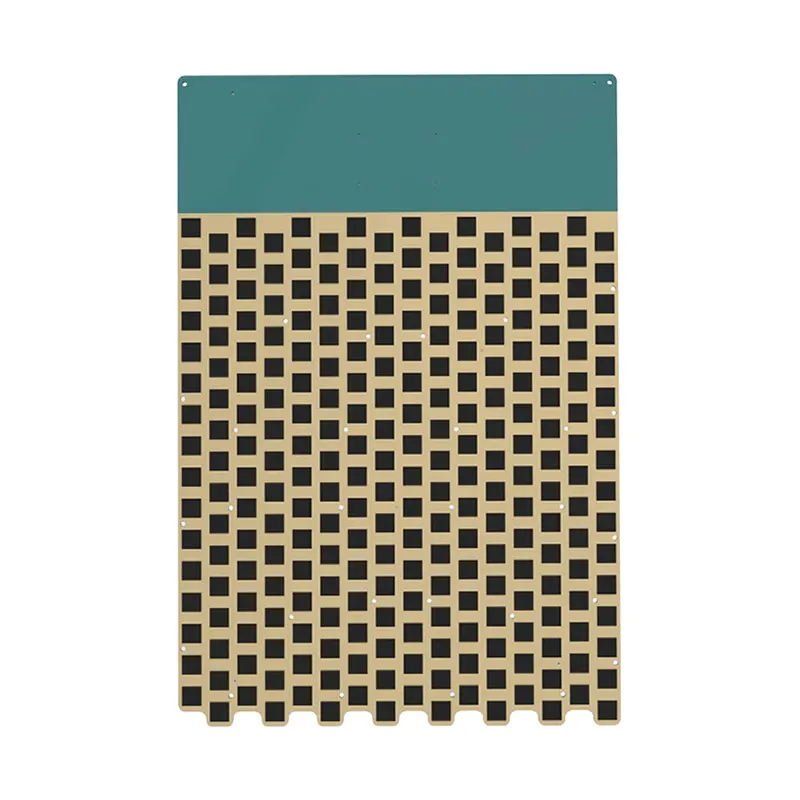
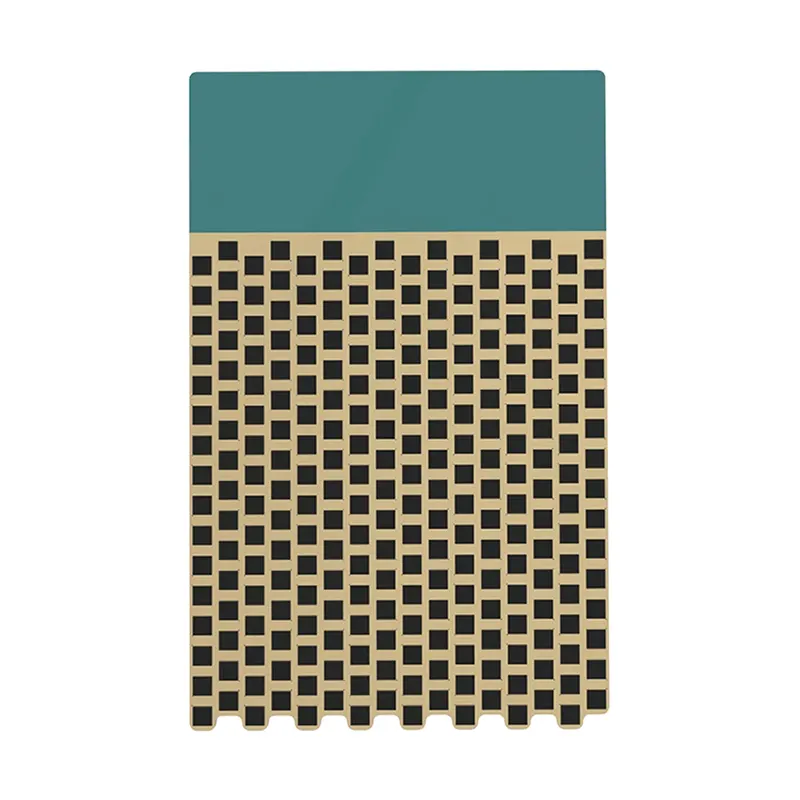
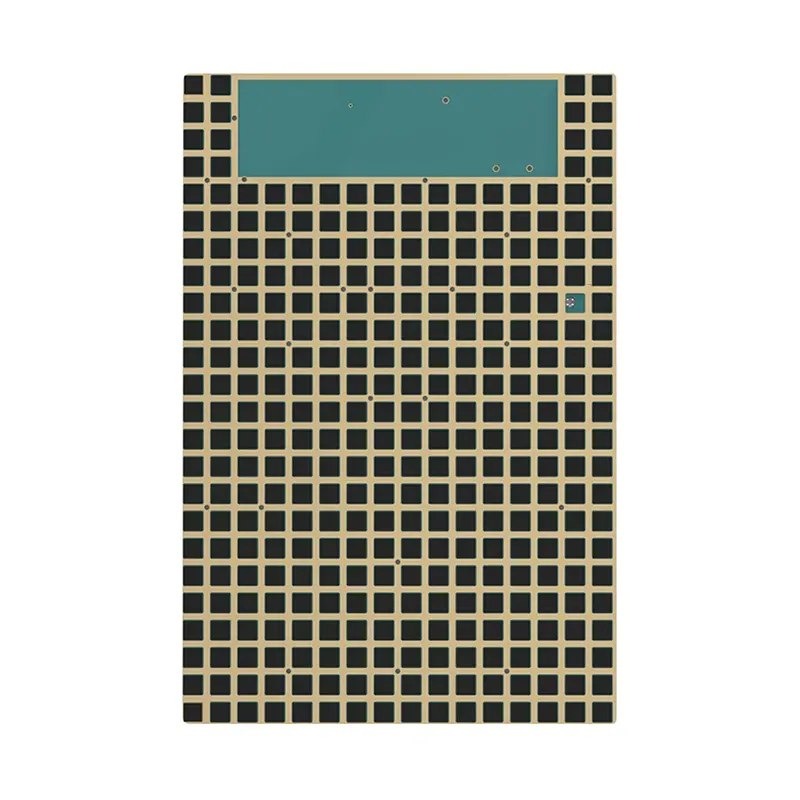
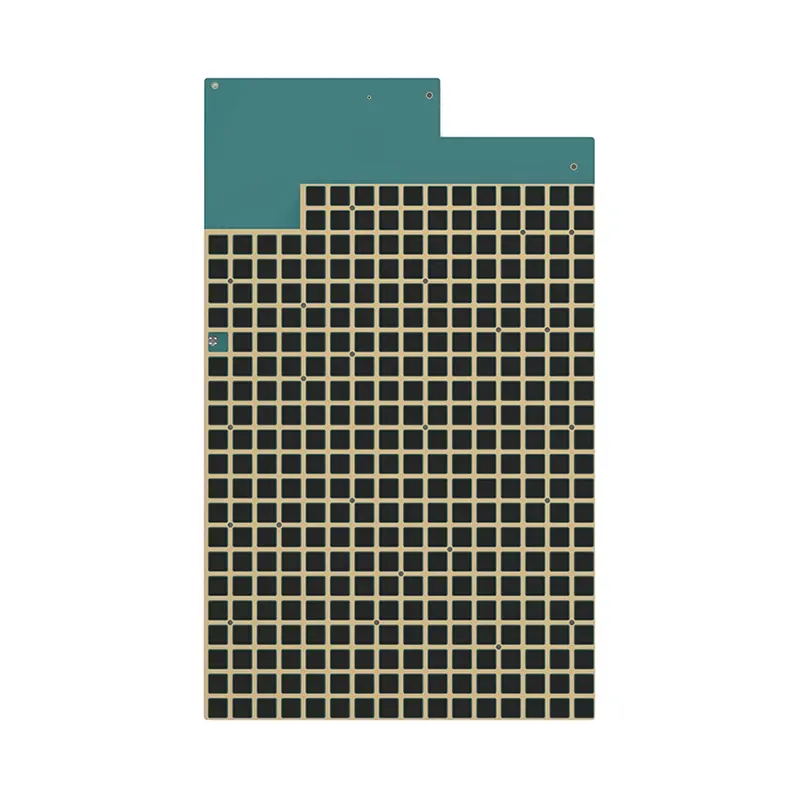
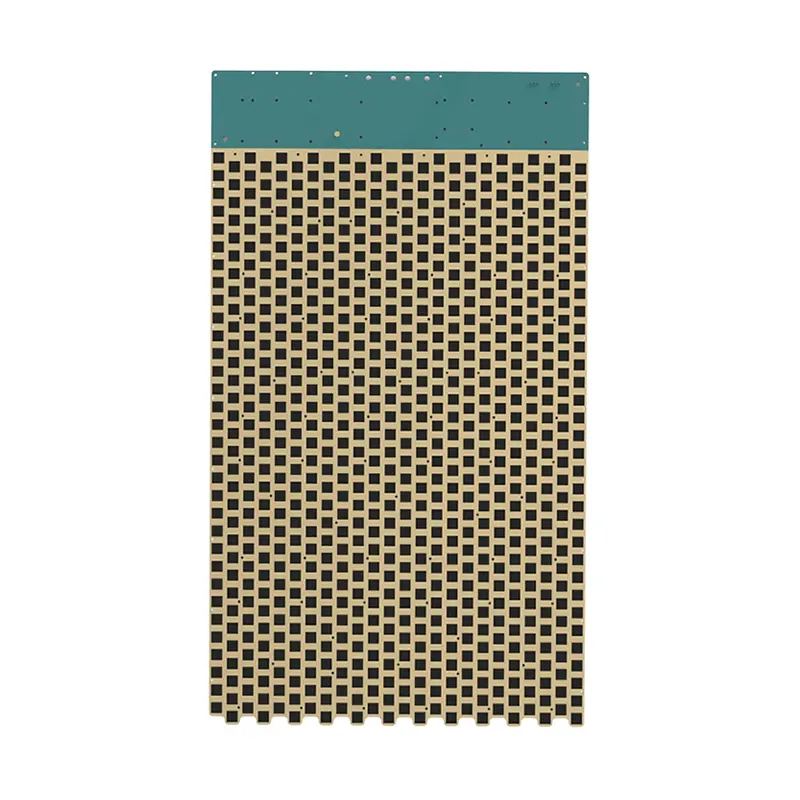
SDL-256A – Hochleistungs-Phased-Array-Antennenpanel für den reinen Empfang im Ku-Band
The SDL-256A is an ultra-lightweight 240g Ku-band Phased-Array-Empfangsantenne panel integrating 256 active elements and advanced SmartFusion technology to deliver high-efficiency receive-only tracking for hybrid LEO and GEO satellite networks.
- Size & Weight: 184×271.8×14.5mm, ≤240g Miniature Sub-assembly
- Core Tech: 256-Element Matrix, SmartFusion Engine, Radome Integration
- Tracking Sweep: 360° Azimuth, 0°–70° Electronic Elevation
- Ports & Power: J30J-21 Control, SMA-K RF, 12V, ≤38W Ultra-low Draw

Produktdetails
Produktübersicht
System engineers designing ultra-compact satellite IoT terminals or portable media data kits often struggle with severe size limitations and high power drains when trying to deploy standard mechanical receivers or bulky panel arrays. The SDL-256A redefines the standard for receive-only arrays by packaging 256 active elements into a flat-panel substrate that weighs less than a standard smartphone. Delivering an impressive G/T ratio greater than 4 dB/K combined with arbitrary polarization tracking, it maintains cross-polarization isolation exceeding 30dB at center alignment. Operating flawlessly without physical wear across extreme temperatures from -40°C to +70°C, this sub-assembly offers a highly reliable LEO GEO satellite reception component engineered to sustain critical data downlinks where power and space budgets are minimal.
Wichtige technische Daten
| Empfangsbetriebsfrequenz | 10,7 GHz–12,7 GHz |
| Scanbereich | Neigungsbereich: 0° bis 70°; Azimut: 0° bis 360° |
| Anzahl der Elemente | 256 |
| Antennenleistung (G/T) | ≥4dB/K |
| Polarisationsmodus | Beliebige Polarisation |
| Lineare Kreuzpolarisationsisolierung | ≥30 dB bei 0° |
| Schnittstelle für Stromversorgung und Steuerung | J30J-21 |
| HF-Schnittstelle | SMA-K |
| Gesamtabmessung | 184mm×271.8mm×14.5mm |
| Eingangsspannung | 12 V Gleichstrom (11 V bis 13 V) |
| Gewicht | ≤240g |
| Stromverbrauch | ≤38W |
| Betriebstemperatur | -40 °C bis +70 °C |
Häufig gestellte Fragen
- How does the SmartFusion technology on the SDL-256A optimize power efficiency for remote field sites?
- SmartFusion technology serves as an intelligent power management and signal tracking layer that dynamically controls the active state of individual antenna elements. Instead of drawing static maximum current constantly, the internal algorithms scale the system draw down to real-time link requirements. This keeps total power consumption capped at an ultra-low 38W, making it perfect for solar-powered remote sensor terminals or portable backpack units.
- What are the physical integration advantages of the integrated radome design on this panel?
- The integrated radome design molds the protective outer cover directly onto the underlying phased array substrate, eliminating heavy hardware housings and compressed air gaps. This allows the SDL-256A to achieve a sleek 14.5mm profile and a total weight of ≤240g. This lightweight architecture allows it to be embedded directly into ultra-portable terminals, UAV sub-assemblies, or hidden low-profile installations without creating aerodynamic or payload penalties.
- What type of connection interfaces and electrical inputs does this Ku-band receiver require?
- Dies Ku-Band-Satellitenempfänger component uses a secure, industry-standard J30J-21 multi-pin control port to handle electronic beam steering commands and main power inputs. The hardware runs on a low-voltage DC 12V supply (with a safe operational tolerance range of 11V to 13V), routing the raw received satellite signals cleanly out through a standard SMA-K RF interface to your external processing modem.
Ähnliche Produkte
-
SDL-256B – Hochleistungs-Phased-Array-Antennenpanel für den reinen Sendebetrieb im Ku-Band
Subarrays von Phased-Array-Antennen -
SDL-384A – Zweidimensionale Phased-Array-Sendeantenne im Ku-Band
Subarrays von Phased-Array-Antennen -
SDL-384 – Zweidimensionale Phased-Array-Empfangsantennenplatte im Ku-Band
Subarrays von Phased-Array-Antennen -
SDL-768 – Zweidimensionale Phased-Array-Empfangsantennenplatte im Ku-Band
Subarrays von Phased-Array-Antennen