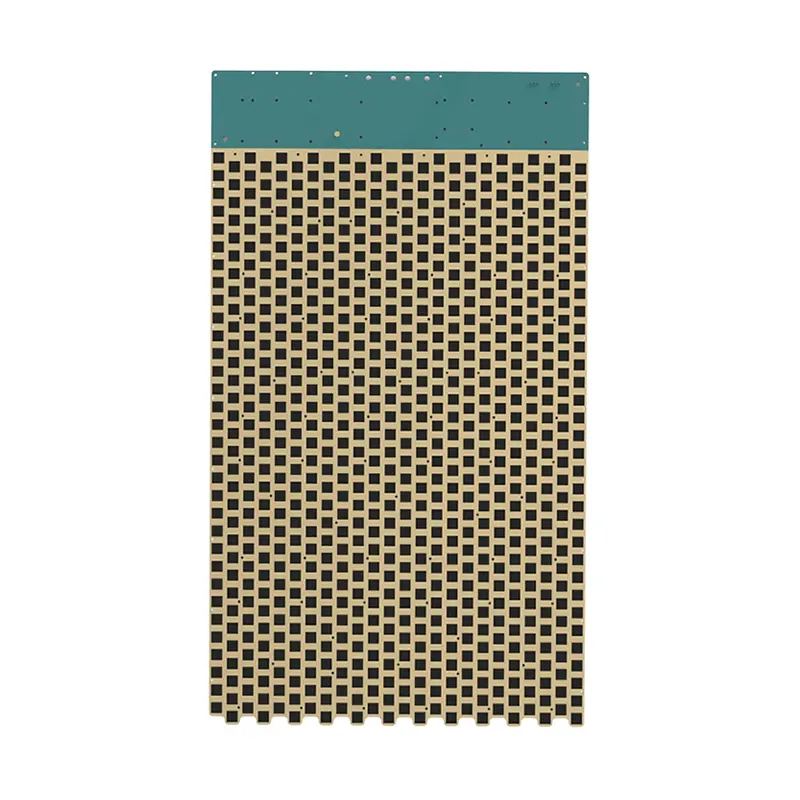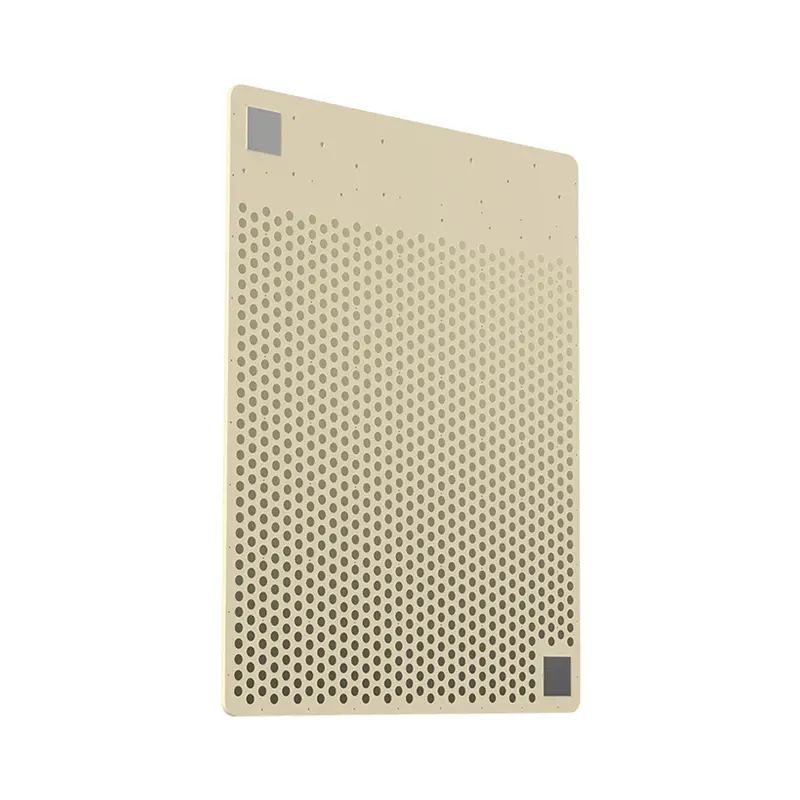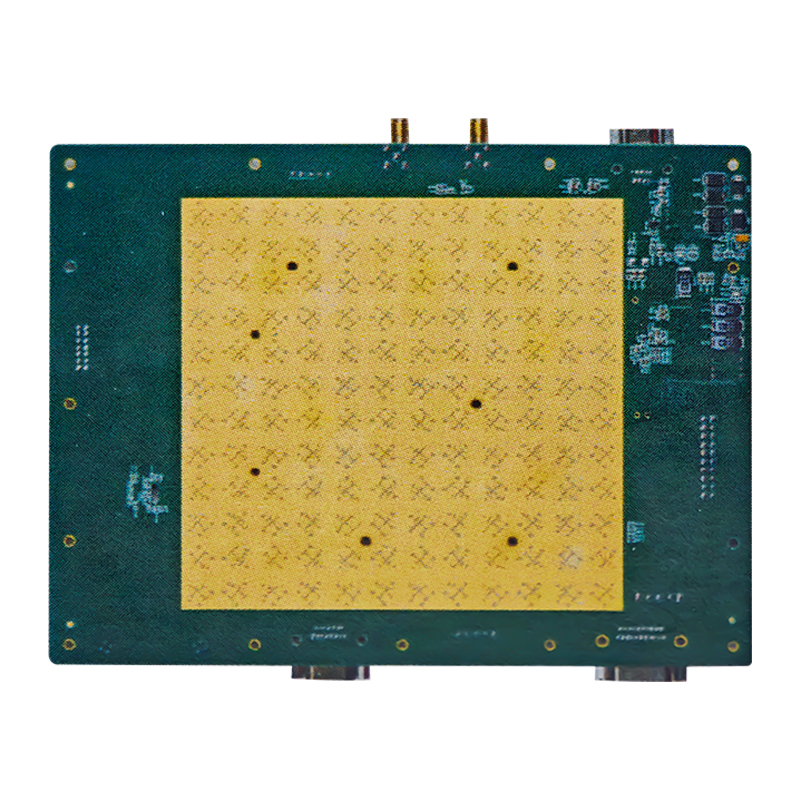

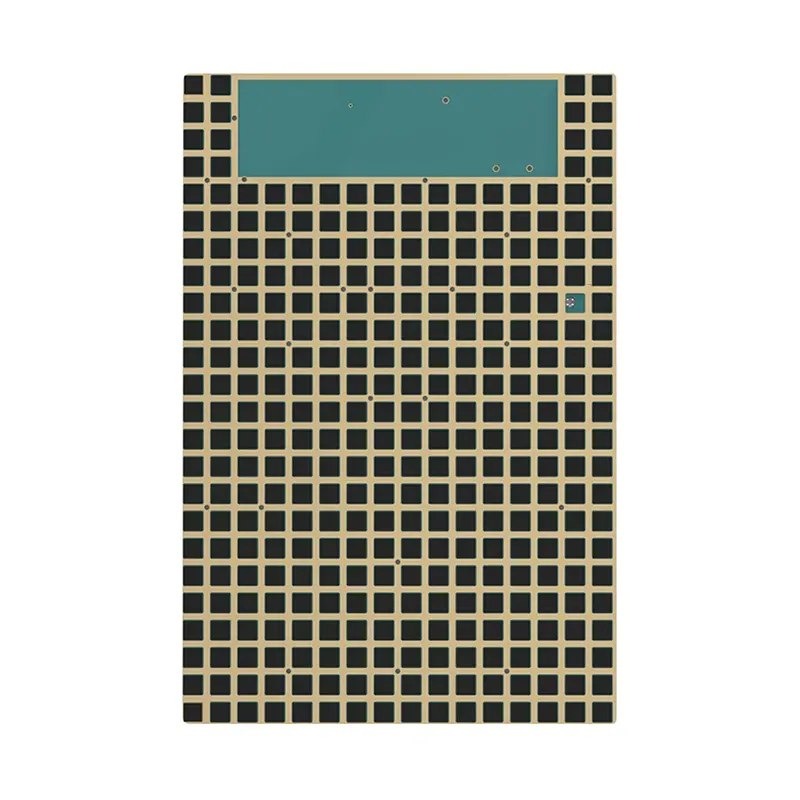
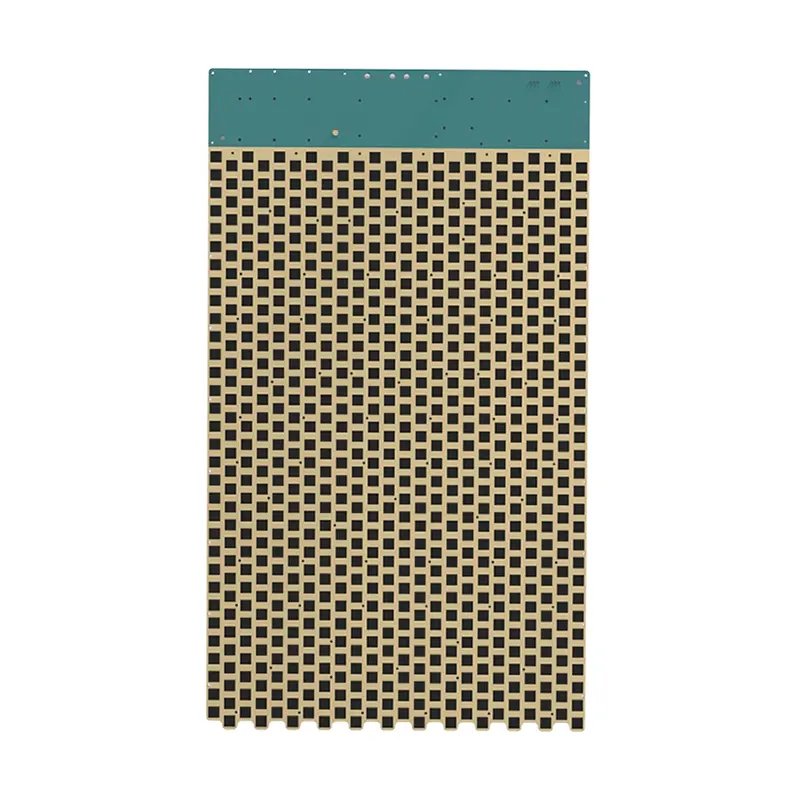
SDL-384A – Zweidimensionale Phased-Array-Sendeantenne im Ku-Band

The SDL-384A is an ultra-lightweight 300g Ku-band phased array tx panel integrating 344 radiating elements and SmartFusion technology to deliver high-performance signal transmission for hybrid LEO and GEO satellite networks.

  • Size & Weight: 271.5×165.3×14.5mm, ≤300g Ultra-lightweight Sub-assembly
  • Core Tech: 344-Element Array, SmartFusion Matrix, External Converters
  • Tracking Sweep: 360° Azimuth, 0°–70° Electronic Elevation
  • Ports & Power: J30J-21 Control, SMA-K RF, 12V, ≤75W Maximum

Produktdetails

Produktübersicht

System integrators building miniature satellite uplink terminals or man-portable tracking kits face severe payload liabilities when utilizing traditional motorized dishes or bulky amplifiers. The SDL-384A eliminates these design barriers by packing 344 active transmit elements into a rugged flat panel weighing less than a standard smartphone. Generating an EIRP greater than 37 dBW paired with an arbitrary polarization tracking structure, it maintains a cross-polarization isolation equal to or greater than 25dB at center alignment. Operating seamlessly without mechanical wear across an expansive temperature range from -40°C to +70°C, this sub-assembly provides a highly dependable LEO GEO satellite transmission component for tactical or commercial applications requiring absolute mobility and high uplink reliability.

Wichtige technische Daten

Empfangsbetriebsfrequenz 13.75GHz-14.5GHz
Scanbereich Neigungsbereich: 0° bis 70°; Azimut: 0° bis 360°
Anzahl der Elemente 344
Antenna EIRP ≥37dBW
Polarisationsmodus Beliebige Polarisation
Lineare Kreuzpolarisationsisolierung ≥25dB@0°
Schnittstelle für Stromversorgung und Steuerung J30J-21
HF-Schnittstelle SMA-K
Gesamtabmessung 271.5mm×165.3mm×14.5mm
Eingangsspannung 12 V Gleichstrom (11 V bis 13 V)
Gewicht ≤300g
Stromverbrauch ≤75W
Betriebstemperatur -40 °C bis +70 °C

Häufig gestellte Fragen

What are the integration benefits of the external up/down converter design on the SDL-384A?
By leaving up-conversion circuitry to external hardware, the SDL-384A minimizes localized heat generation on the active radiating panel and achieves a thin 14.5mm profile weighing ≤300g. This gives engineering teams full architectural freedom to match the transmit array with their preferred external intermediate frequency (IF) gear via the integrated SMA-K RF interface.
How does SmartFusion technology control power draw and thermal generation during high-power transmission?
The built-in SmartFusion architecture serves as an intelligent power-scaling engine. Instead of supplying static power across the panel, it dynamically optimizes the RF drive currents fed to the 344 individual elements based on real-time link requirements. This keeps total power consumption capped at an ultra-efficient 75W, preventing thermal spikes in enclosed spaces.
What type of electrical connections and power infrastructure does this Ku-band transmitter require?
Dies ku-band satellite transmitter sub-assembly uses a secure, industry-standard J30J-21 multi-pin control port to manage both beam steering data commands and electrical inputs. It runs on a low-voltage DC 12V input (with a safe operational tolerance range of 11V to 13V), making it highly compatible with drone battery cells, portable field packs, or small vehicle electronics lines.
Nach oben scrollen

Eine Nachricht hinterlassen

Bitte geben Sie so viele Details wie möglich an, damit wir Ihnen besser helfen können.
Satellitenkommunikation

Holen Sie sich Ihre maßgeschneiderte Kommunikationslösung

Bitte geben Sie Ihre Bereitstellungsplattform und Ihre betrieblichen Anforderungen an. Unsere RF-Experten prüfen Ihre Architektur und unterbreiten Ihnen innerhalb von 24 Stunden professionelle technische Empfehlungen.

Produktunterstützung und technische Beratung

Auf der Suche nach der richtigen Lösung

Sprechen Sie mit uns über Ihre Anforderungen im Bereich HF und Mikrowellen

Suchen Sie nach integrierten Schaltkreisen für den Mikrowellen- oder Millimeterwellenbereich? Teilen Sie uns Ihre Anwendungsanforderungen mit, und unser Team wird Ihnen auf der Grundlage Ihres Frequenzbereichs, Ihrer Leistungsanforderungen und Ihrer Systemarchitektur geeignete Lösungen vorschlagen.

Produktunterstützung und technische Beratung