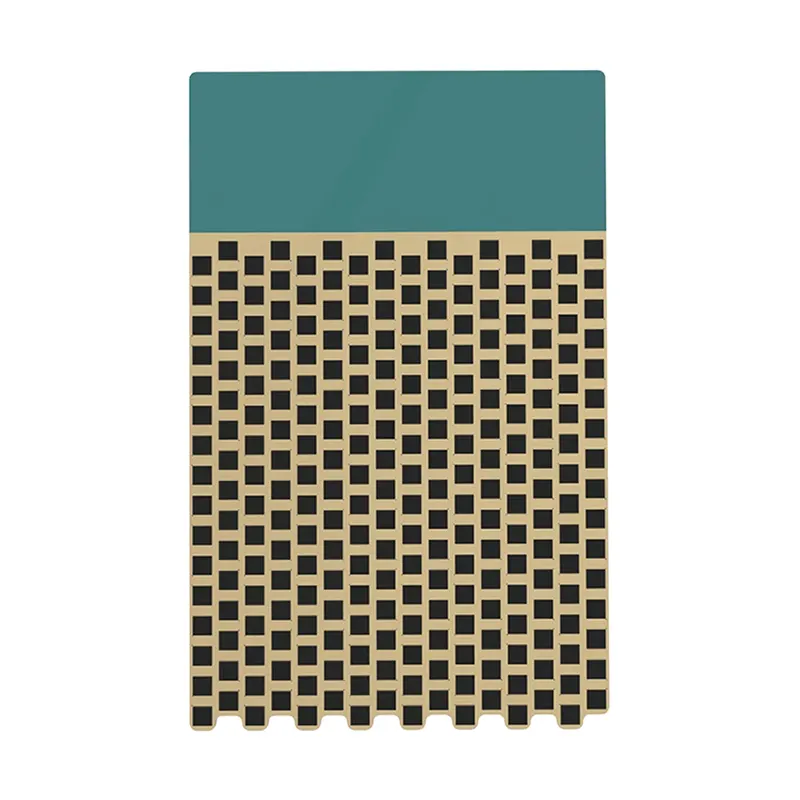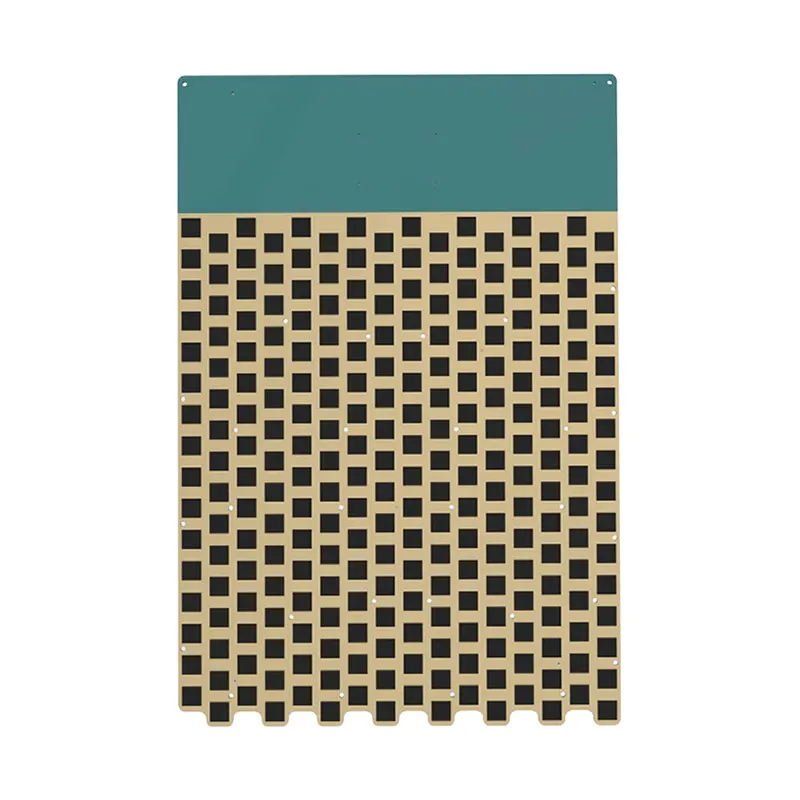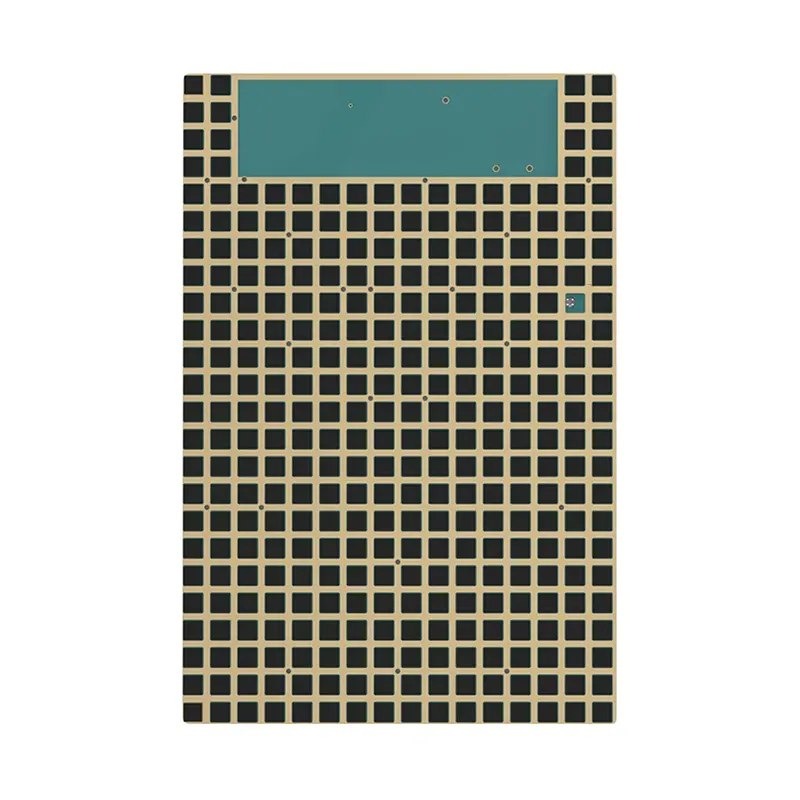

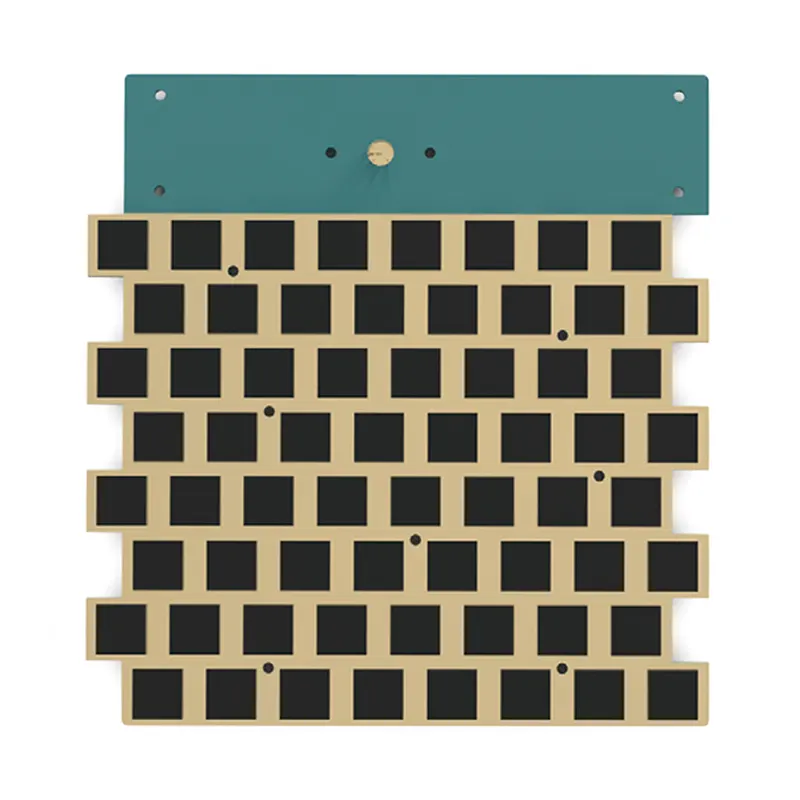
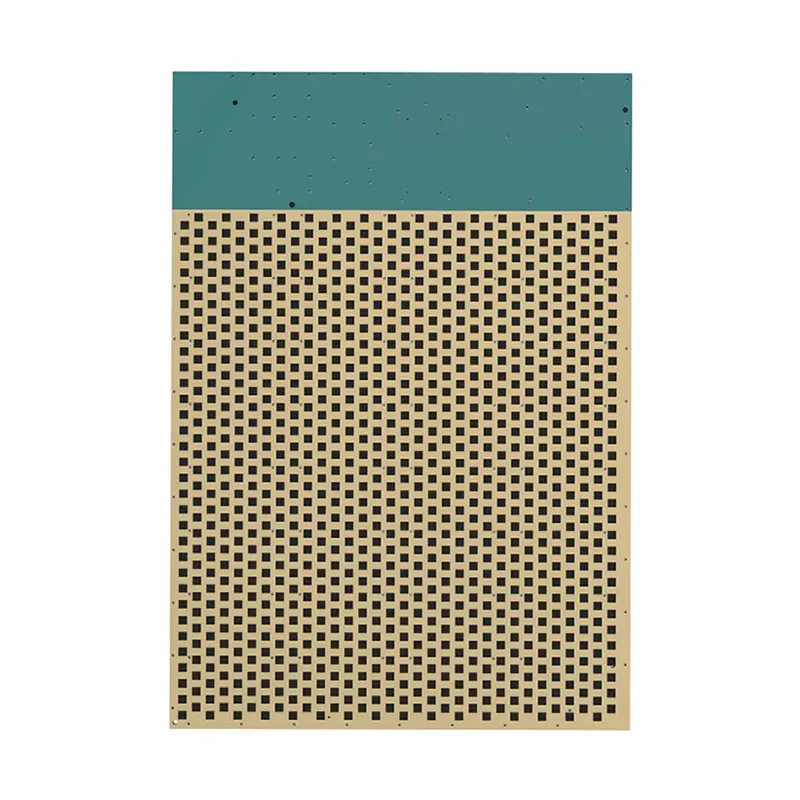
SDL-64B – Ultra-miniaturisierte, kachelbare Ku-Band-Phased-Array-Empfangsantenne

The SDL-64B is an ultra-miniature 105g Ku-band Phased-Array-Empfangsantenne panel engineered with SmartFusion technology to deliver ultra-low power, tileable receive-only tracking for compact satellite terminals.

  • Size & Weight: ≤105×100×15mm Micro Tile, ≤105g Featherweight Build
  • Core Tech: Modular Splicing Architecture, SmartFusion Engine, External Converters
  • Tracking Sweep: 360° Azimuth, 0°–65° Electronic Elevation Scan
  • Ports & Power: SPI Control Interface, SMP RF, 12V, ≤8W Micro-draw

Produktdetails

Produktübersicht

System builders designing miniature mobile tracking rigs, compact drone terminal assemblies, or localized IoT sensors frequently hit severe roadblocks when standard flat panels draw too much power and require thick housings. The SDL-64B redefines miniature tracking by condensing a full phased array tile into a pocket-sized footprint that weighs just 105 grams. Operating across a wide 13.75–14.5 GHz block (expandable to 15 GHz), it delivers a stable G/T ratio greater than -6 dB/K while drawing a maximum peak power of just 8W. Supporting a fully tileable layout that allows multiple modules to splice together edge-to-edge for instant aperture scaling, this ultra-slim 15mm panel provides a highly flexible LEO GEO satellite reception component optimized for severe weight and structural limitations.

Wichtige technische Daten

Receiving Frequency (Rx) 13.75-14.5GHz (Expandable up to 15GHz)
Polarisationsmodus Dual Circular Polarization synthesizing arbitrary linear polarization
G/T-Wert ≥-6 dB/K
Scanbereich Azimuth: 0-360°; Elevation: 0-65°
Dimension ≤105mm×100mm×15mm
Gewicht ≤105g
Stromverbrauch ≤8W
Betriebstemperatur -40℃~70℃
Storage Temperature -55℃~85℃
Control Interface SPI
Combiner Interface SMP
Stromversorgung 12V DC
Built-in Wave Control No
Splicing Support Supported

FQA

How does the external converter and wave-control architecture benefit the SDL-64B sub-assembly?
By omitting internal up/down conversion circuitry and dedicated wave-beam control hardware, the SDL-64B slashes its thickness to just 15mm and cuts weight down to ≤105g. This minimizes localized thermal generation on the active radiating face and allows system architects to handle wave control and intermediate frequency (IF) processing through a centralized external management system.
What makes the SmartFusion technology on the SDL-64B critical for micro-UAV and battery-powered field gear?
Traditional satellite tracking hardware easily exhausts small power banks and drone batteries. SmartFusion technology operates as an intelligent signaling layer that dynamically regulates the active current path of individual elements on the fly. This optimization reduces the total module power draw to an ultra-efficient 8W maximum, greatly extending battery runtime in off-grid field networks.
How do the physical and electrical interfaces support modular tileable stitching configurations?
Dies Ku-Band-Satellitenempfänger tile is engineered from the ground up to support fully tileable multi-panel stitching. System builders can link multiple units together to form a larger, synchronized array to meet higher gain requirements. Telemetry and phase data are routed cleanly via a standard SPI control interface, while raw high-frequency paths hook up through compact, secure SMP connectors running on a low-voltage DC 12V line.
Nach oben scrollen

Eine Nachricht hinterlassen

Bitte geben Sie so viele Details wie möglich an, damit wir Ihnen besser helfen können.
Satellitenkommunikation

Holen Sie sich Ihre maßgeschneiderte Kommunikationslösung

Bitte geben Sie Ihre Bereitstellungsplattform und Ihre betrieblichen Anforderungen an. Unsere RF-Experten prüfen Ihre Architektur und unterbreiten Ihnen innerhalb von 24 Stunden professionelle technische Empfehlungen.

Produktunterstützung und technische Beratung

Auf der Suche nach der richtigen Lösung

Sprechen Sie mit uns über Ihre Anforderungen im Bereich HF und Mikrowellen

Suchen Sie nach integrierten Schaltkreisen für den Mikrowellen- oder Millimeterwellenbereich? Teilen Sie uns Ihre Anwendungsanforderungen mit, und unser Team wird Ihnen auf der Grundlage Ihres Frequenzbereichs, Ihrer Leistungsanforderungen und Ihrer Systemarchitektur geeignete Lösungen vorschlagen.

Produktunterstützung und technische Beratung