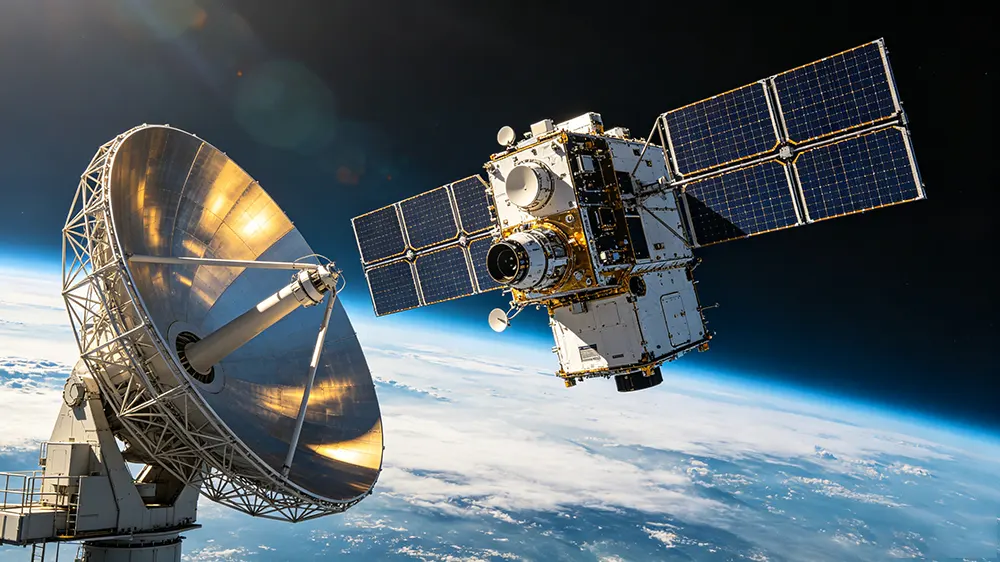

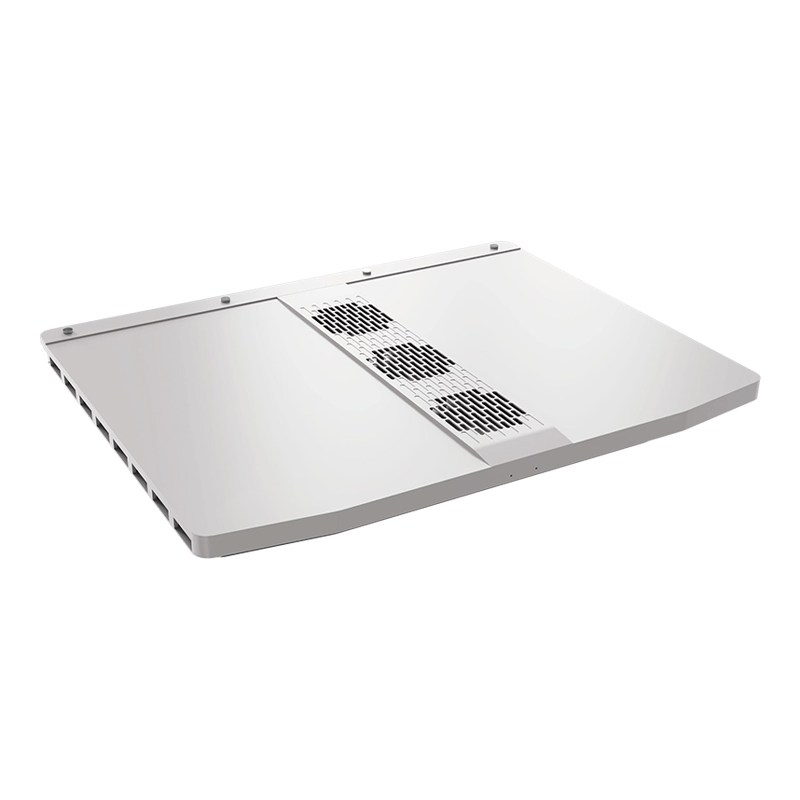
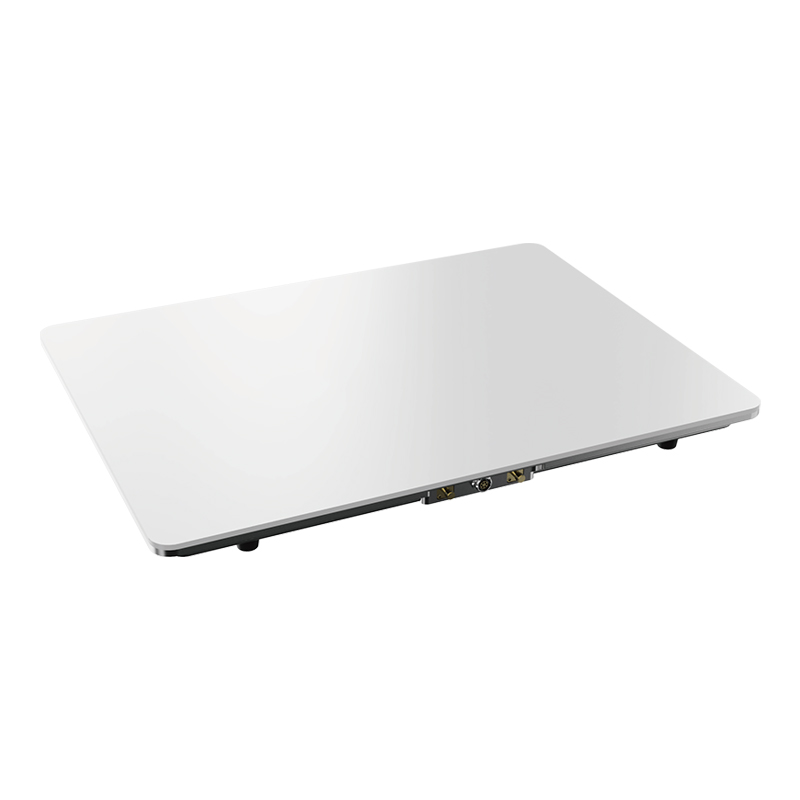
SDL-2000 High-Performance Folding Portable Phased Array Terminal
The SDL-2000 is an 8kg, ultra-slim Ka-band portable phased array terminal that seamlessly integrates Antenna-in-Package (AiP) tech to deliver robust broadband across hybrid LEO and GEO satellite networks.
- Foldable design for easy portability
- Supports both GEO and LEO satellite networks
- AIP chip-level packaging with radome-integrated design
- Ultra-slim and lightweight form factor.
Product Details
Product Features
Field operators and remote research teams frequently struggle with bulky, heavy parabolic satellite equipment that is prone to physical damage and restricted to a single satellite orbit. The SDL-2000 eliminates these deployment bottlenecks by introducing an innovative flat-panel architecture that fits into a standard backpack. Delivering an EIRP over 44 dBW and a G/T ratio equal to or greater than 6.5 dB/K, it guarantees high-throughput bidirectional data feeds under a controlled 280W power draw. This makes the terminal an essential asset for emergency command and field research teams who require a resilient LEO GEO hybrid communication link that overcomes the bandwidth limits of traditional remote communications equipment.
Key Specifications
| Receiving Frequency | 17.7GHz-21.2GHz |
| Transmitting Frequency | 27.5GHz-31.0GHz |
| G/T Value | ≥6.5 dB/K |
| EIRP | ≥44 dBW |
| Scan Range | Azimuth: 0-360°; Elevation: 0°-70° |
| Dimension | ≤490mm×380mm×56mm |
| Weight | ≤8kg |
| Power Consumption | ≤280W |
| Power Supply | DC 24V |
| Operating Temperature | -40℃~55℃ |
| Operating Humidity | ≤95% |
| Enclosure Protection Class | IP64 |
FAQ
- What are the key technical advantages of the chip-level AiP technology used in the SDL-2000?
- Antenna-in-Package (AiP) technology allows the transceiver chips and the radiating elements to be layered directly into a single, compact composite structure. This layout eliminates traditional RF cable losses, dramatically reduces the overall terminal thickness to just 56mm, lowers power consumption to under 280W, and enhances thermal dissipation to maintain steady performance during prolonged field data transfers.
- How does the multi-orbit fusion function benefit users in areas with unstable satellite coverage?
- This terminal is engineered to communicate with both GEO (Geostationary) and LEO (Low-Earth Orbit) satellite networks. If a LEO constellation is blocked by topography or undergoes a service gap, the terminal can switch its connection parameters to a high-orbit GEO satellite. This multi-orbit redundancy ensures field units retain unbroken broadband access even in complex environments where single-network systems fail.
- What is the exact tracking scan range of this terminal and how is it powered in the field?
- This Ka-band satellite station provides a continuous 0–360° azimuth adjustment and an electronic elevation scanning range of 0° to 70°. It is powered by a standard DC 24V supply, meaning it can run directly from vehicle batteries, compact field generators, or portable solar storage banks, keeping field operations active without demanding specialized power infrastructure.
Related products
-
SDL-500 Next-Generation Ultra-Thin Portable Phased Array Satellite Terminal
Satellite Communication Terminals -
SDL-1500 High-Performance Two-Dimensional Phased Array Satellite Terminal
Satellite Communication Terminals -
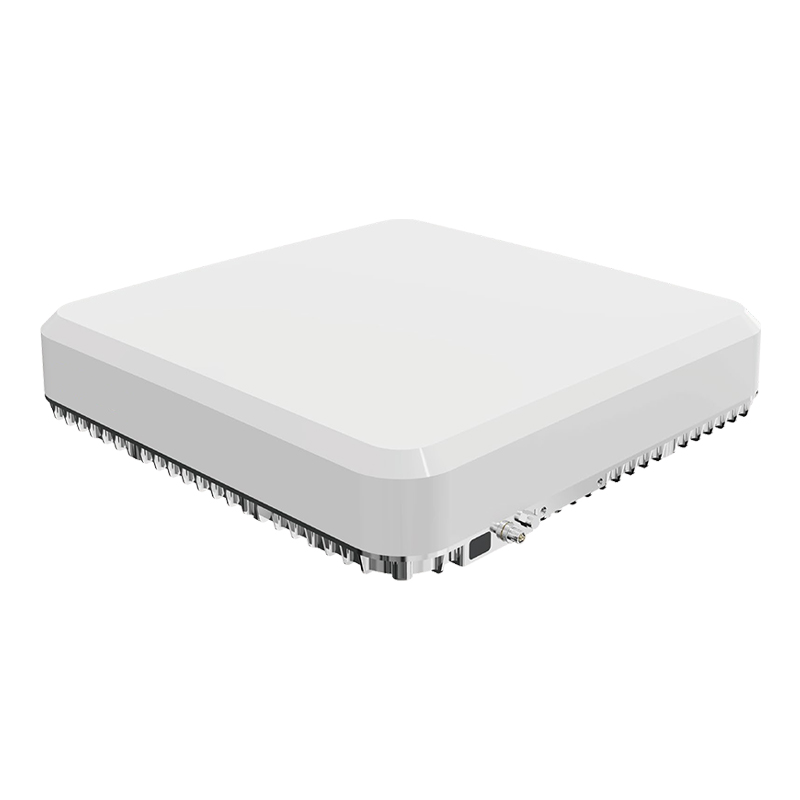
SDL-450X Man-Portable Phased-Array COTM Satellite Terminal
Satellite Communication Terminals -
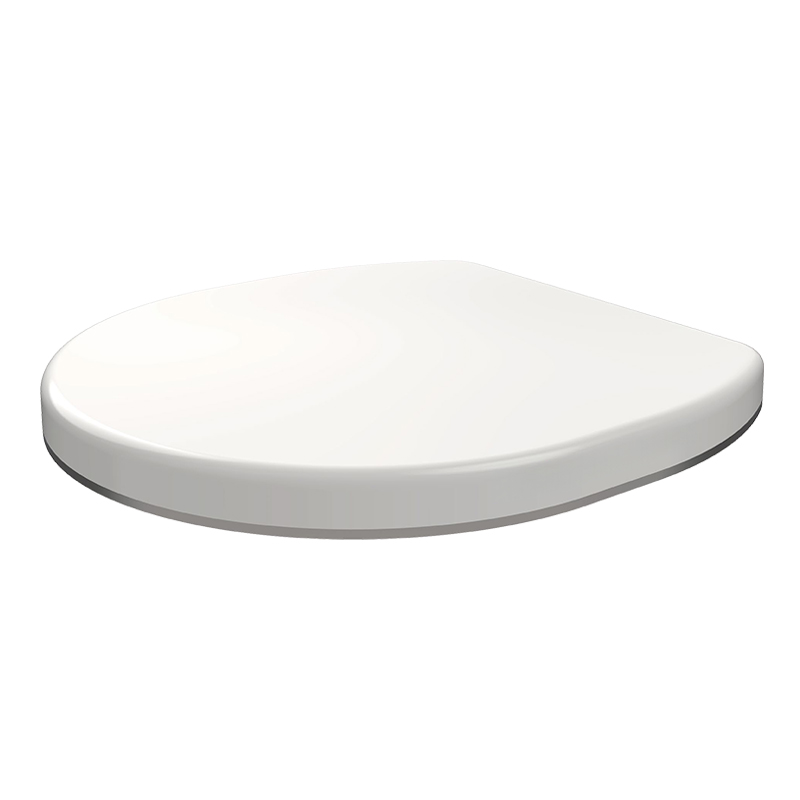
SDL-800 / SDL-800A Vehicle-mounted mobile communication satellite terminal
Satellite Communication Terminals