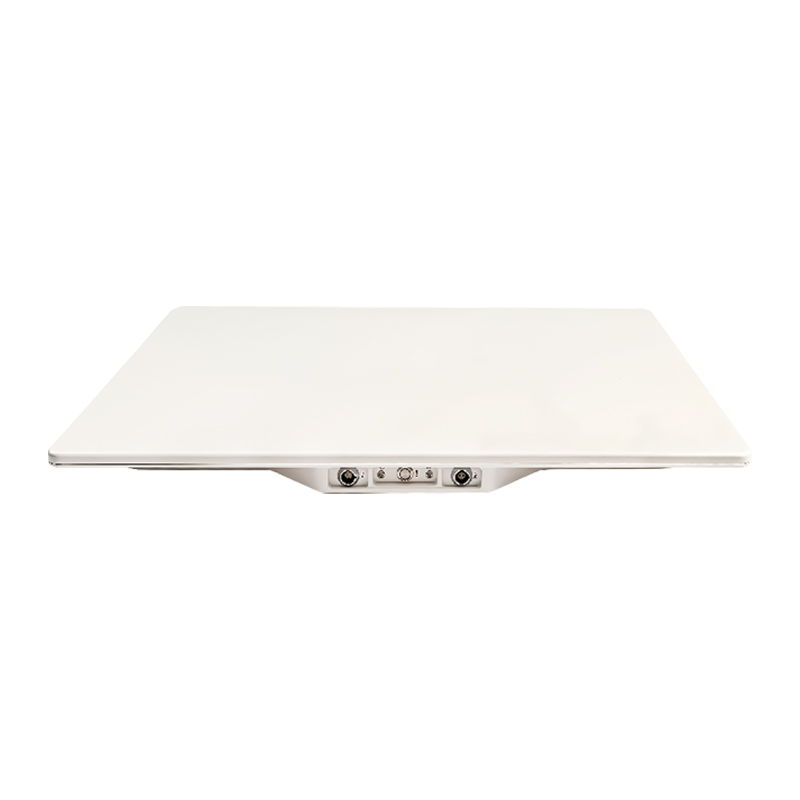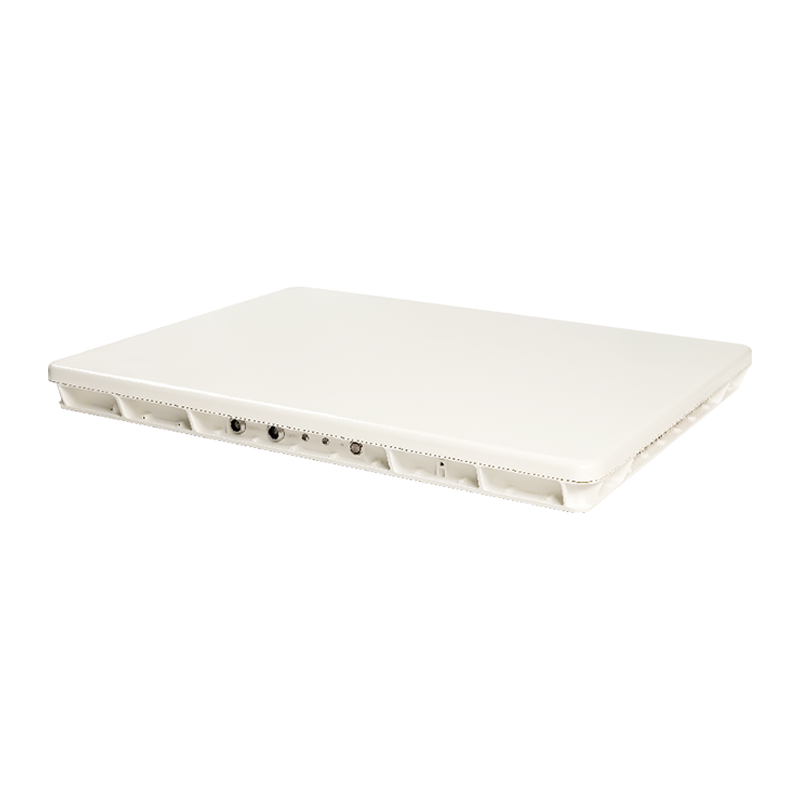

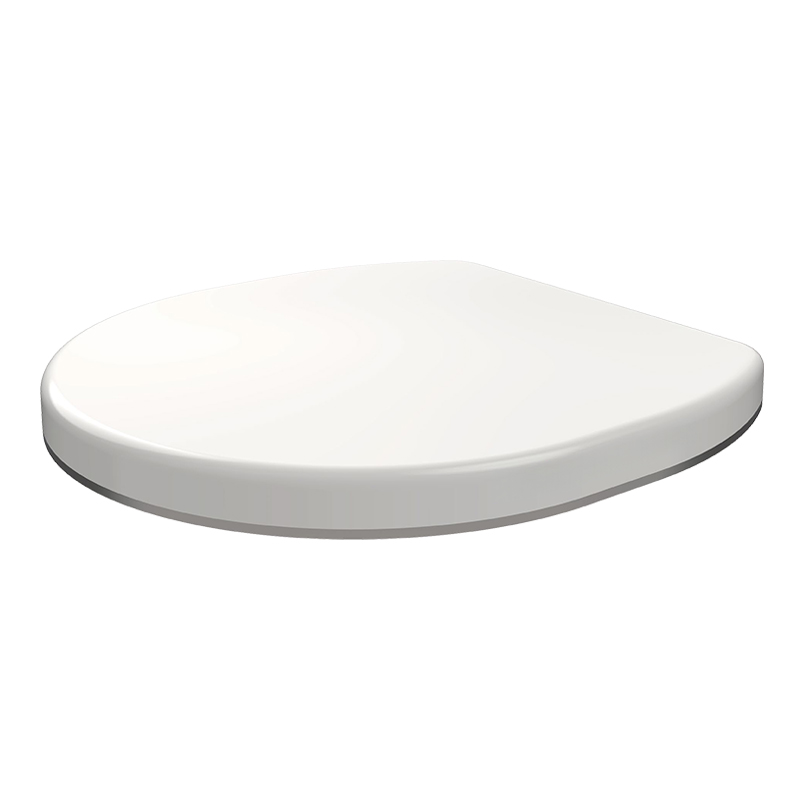
SDL-800 / SDL-800A Vehicle-mounted mobile communication satellite terminal

The SDL-800/SDL-800A is a 13cm ultra-low-profile vehicle terminal that delivers continuous, high-speed Ku/Ka-band satellite broadband while traveling over challenging terrains.

  • 13cm Low-Profile & Lightweight Frame
  • Nanosecond Electronic Scanning & Dynamic Tracking
  • Dual-Band Availability (Ku/Ka-Series)
  • Industrial-Grade All-Weather Reliability

Product Details

Product Features

Standard mobile communication vehicles often face operational bottlenecks, such as high-clearance antennas striking overhead obstacles and frequent link dropping on rugged roads. The SDL-800 series addresses these field failures by combining high-gain array antennas with aggressive chassis height reduction. By utilizing advanced tracking algorithms to stabilize RF output—achieving an EIRP up to 58 dBW—the terminal maintains massive data throughput and link reliability under low power consumption. Encased in an IP65 weather-proof housing, it ensures that field teams in disaster zones or remote areas maintain an uninterrupted, bidirectional link to headquarters without signal blind spots.

Key Specifications

Item SDL-800 SDL-800A
Product Name SDL-800 SDL-800A
Receiving Frequency 10.7~12.75GHz 17.7~21.2GHz
Transmitting Frequency 13.75~14.5GHz 27.5~31GHz
G/T Value ≥11 dB/K ≥12 dB/K
EIRP ≥45 dBW ≥58 dBW
Scan Range Azimuth: 0-360°; Elevation: Electronic Scanning
Dimension ≤990mm×960mm×130mm ≤990mm×960mm×130mm
Weight ≤42kg ≤46kg
Power Consumption ≤280W ≤380W
Power Supply DC 24V
Operating Temperature -40℃~55℃
Operating Humidity ≤95%
Enclosure Protection Class IP65

FAQ

What are the primary differences between the SDL-800 and SDL-800A satellite terminals?
The main distinctions lie in their operating frequency bands, RF performance specifications, and power usage. The SDL-800 operates on the Ku-band with a receive range of 10.7–12.75 GHz, a power consumption of ≤380W, and a G/T ratio over 11 dB/K. Conversely, the SDL-800A utilizes the higher-frequency Ka-band (Rx: 17.7–21.2 GHz), draws less power (≤280W), and leverages Ka-band high-gain characteristics to achieve a higher EIRP of over 58 dBW. Users can select the model based on their available satellite resources and target bandwidth requirements.
Does mounting this COTM terminal on a vehicle require extensive modifications?
No structural modifications are needed. The SDL-800 series is specifically optimized for low-profile applications, measuring only 13 cm in height with a net weight of 42 kg for the SDL-800 and 46 kg for the SDL-800A. This lightweight distribution allows the unit to be mounted directly onto standard roof racks or basic crossbars without cutting into the roof. It fits a wide array of SUVs, off-road vehicles, vans, and emergency command vehicles without triggering safety compliance issues or vehicle inspection failures.
How does the terminal maintain a stable connection during high-speed driving or off-road shaking?
This mobile satellite terminal utilizes a built-in high-precision inertial navigation tracking system paired with nanosecond-level electronic scanning controls. When the vehicle executes sudden turns, accelerates, or traverses deeply rutted roads, the antenna algorithms adjust elevation and azimuth alignment within microseconds or nanoseconds. This ensures that the antenna main lobe continuously points directly at the geostationary satellite, preventing packet loss and guaranteeing uninterrupted voice, video, and data transmission while in motion.

Related products

Scroll to Top

Leave A Message

Please provide as much detail as possible so we canbetter assist you.
satellite_communication

Get Your Tailored Communication Solution

Please specify your deployment platform and operational requirements. Our RF experts will review your architecture and provide professional technical recommendations within 24 hours.

Product Support & Technical Consultation

Looking-for-the-Right-Solution

Discuss Your RF & Microwave Requirements

Looking for microwave or millimeter-wave integrated circuit products? Share your application requirements and our team will recommend suitable solutions based on your frequency range, power level, and system architecture.

Product Support & Technical Consultation