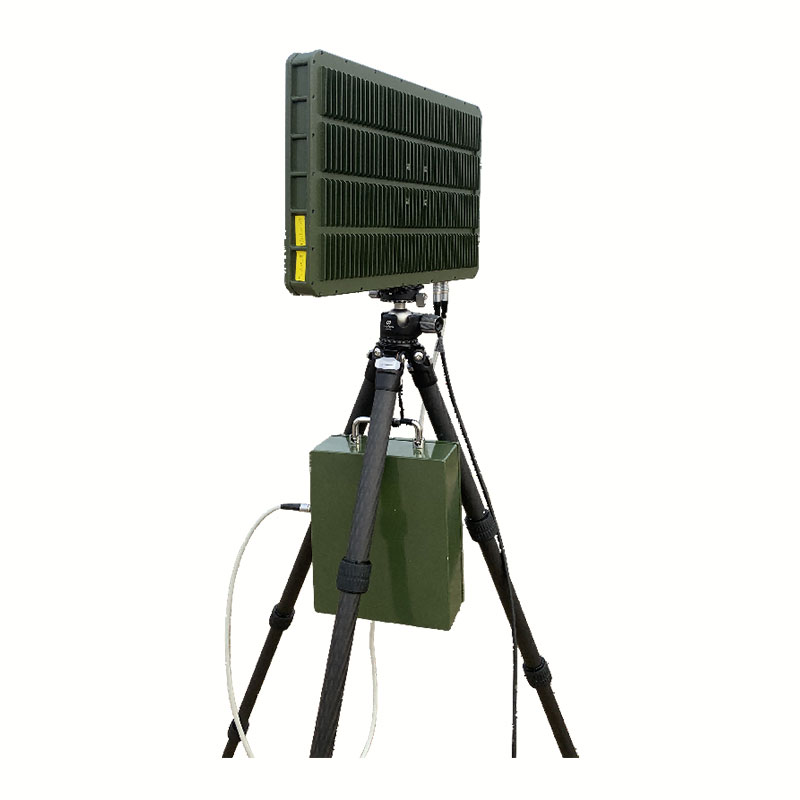
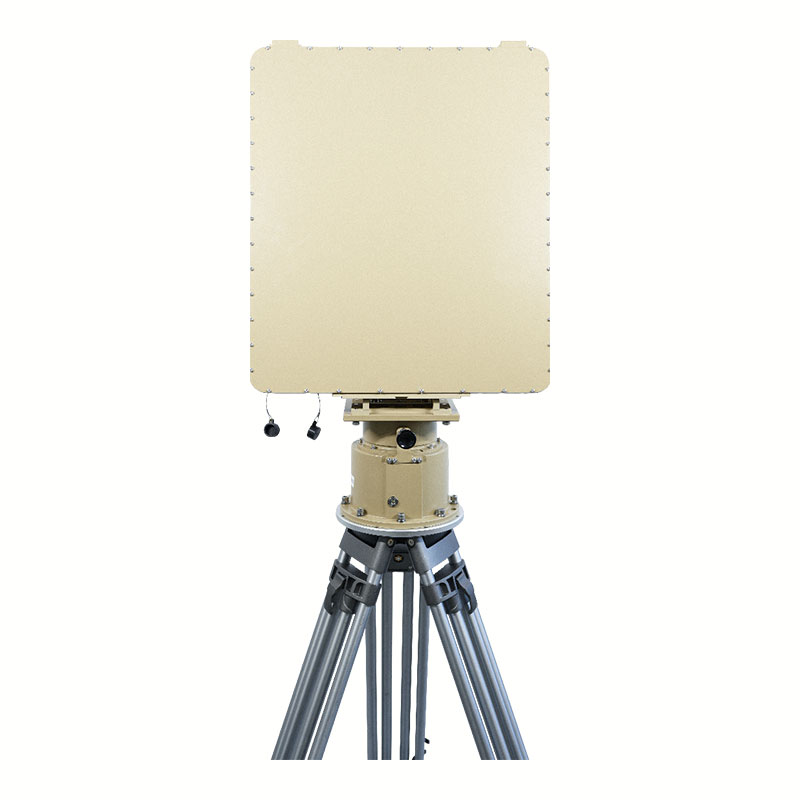
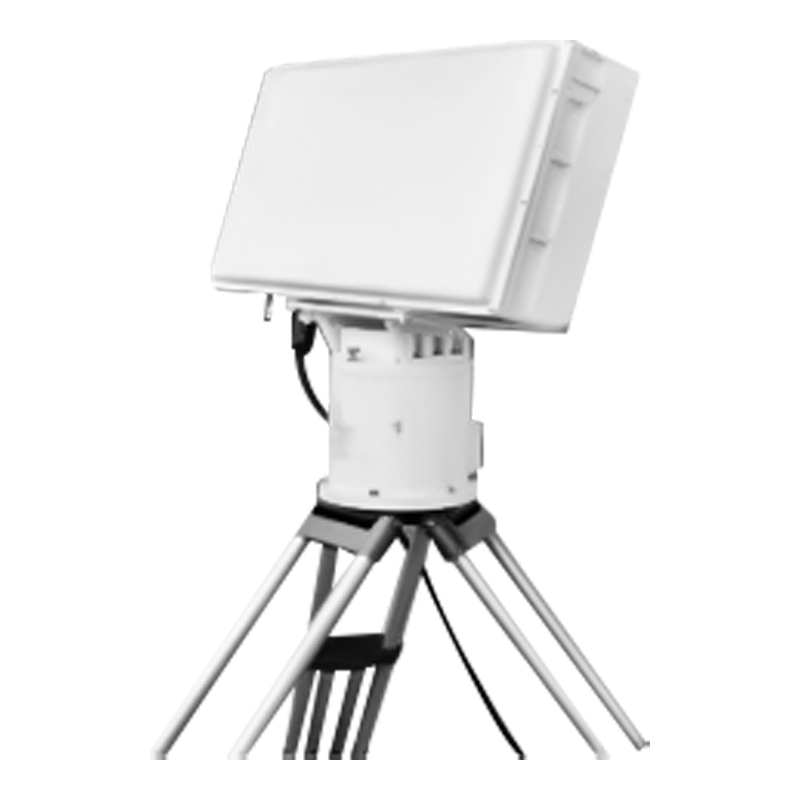
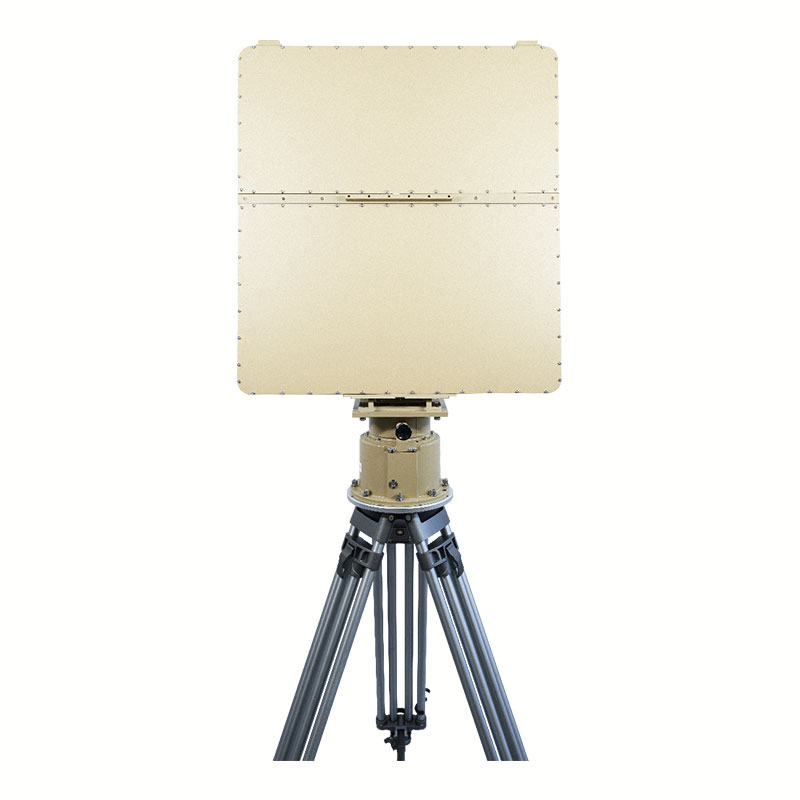
Radar à balayage bidimensionnel à réseau plan unique (SDL-TM-LPR-001)

Ku-band two-dimensional scanning single-plane array radar designed for detection and tracking of low-altitude UAV targets.

  • Ku-band 2D scanning single-plane array architecture
  • TWS and TAS dual tracking modes
  • UAV detection up to 15 km range
  • Multi-target tracking and monitoring capability

Détails du produit

Présentation du produit

The SDL-TM-LPR-001 radar is a two-dimensional phase-scanning single-sided array radar based on the chip array system. It adopts TWS (Track While Scan) or TAS (Track And Scan) modes to capture and measure targets. TWS can meet the basic detection and monitoring demands for conventional wide-area targets, while TAS satisfies the requirements for high-data-rate continuous tracking and monitoring of key targets. It is mainly used to perform tasks such as searching, capturing and tracking surrounding low-altitude, slow-speed and small unmanned aerial vehicles, measure target parameters, and provide target information for other equipment.

Caractéristiques techniques principales

Bande de fréquences d'exploitation bande Ku
Portée de détection
(False Alarm Rate: 10⁻⁶, Detection Probability: 90%)
>7km (RCS=0.012, DJI Phantom 4 drone);
≥12km (RCS=0.52);
≥15km (RCS=12)
Portée de détection 7km (RCS=0.01m²); 12km (RCS=0.5m²); 15km (RCS=1m²)
Minimum detection range: ≤300m
Minimum distance ≤300m
Angle coverage range Azimuth ±45°
Speed measurement range 0.5m/s ~ 120m/s
Target Capacity Detectable target batches: ≥200 batches;
Trackable target batches: ≥4 batches
Résolution Azimuth ≤ 4°, Pitch and roll ≤ 6°

FAQ

What is the main function of the SDL-TM-LPR-001 radar?
It is designed for detection, tracking, and monitoring of low-altitude UAVs, especially small and slow-moving targets in complex environments.
What is the difference between TWS and TAS modes?
TWS (Track While Scan) is used for wide-area surveillance, while TAS (Track And Scan) provides continuous tracking of selected high-priority targets.
What types of targets can it detect?
It can detect small UAVs such as DJI Phantom-class drones, medium UAVs, and larger airborne targets depending on radar cross-section.
What is the maximum detection range?
The radar supports detection up to 15 km depending on target size and radar cross-section conditions.
Quels sont les cas d'utilisation typiques ?
It is used in low-altitude airspace monitoring, security protection of key areas, and UAV intrusion detection systems.
Retour en haut

Laissez un message

Veuillez nous fournir autant de détails que possible afin que nous puissions mieux vous aider.
communication_par_satellite

Obtenez votre solution de communication sur mesure

Veuillez préciser votre plateforme de déploiement et vos besoins opérationnels. Nos experts en radiofréquences examineront votre architecture et vous fourniront des recommandations techniques professionnelles dans les 24 heures.

Assistance produit et conseil technique

À la recherche de la bonne solution

Discutez de vos besoins en matière de radiofréquences et de micro-ondes

Vous recherchez des circuits intégrés pour les micro-ondes ou les ondes millimétriques ? Faites-nous part de vos besoins, et notre équipe vous proposera des solutions adaptées en fonction de votre gamme de fréquences, de votre niveau de puissance et de l'architecture de votre système.

Assistance produit et conseil technique