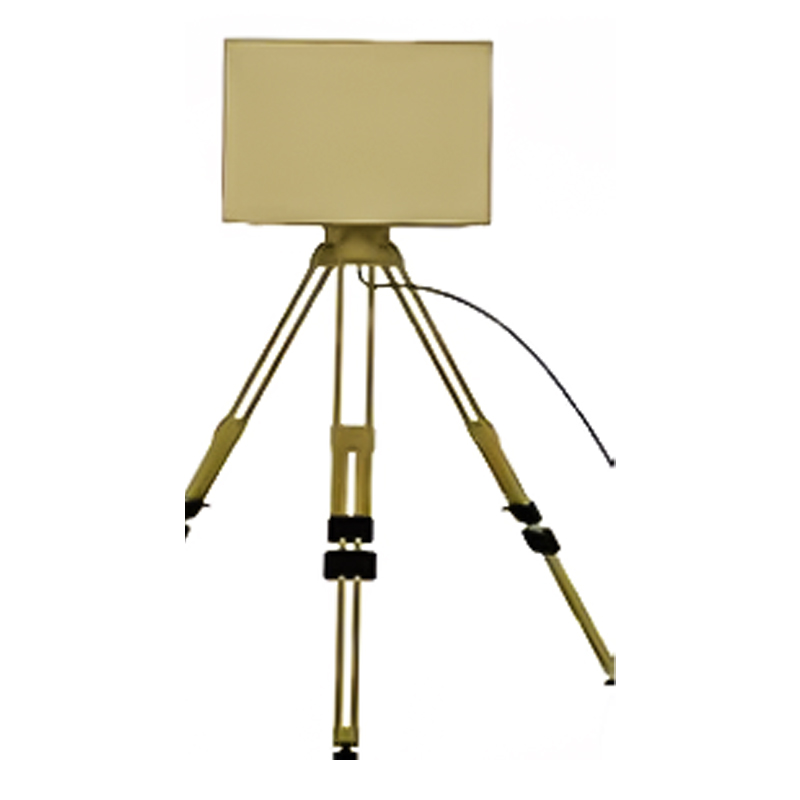
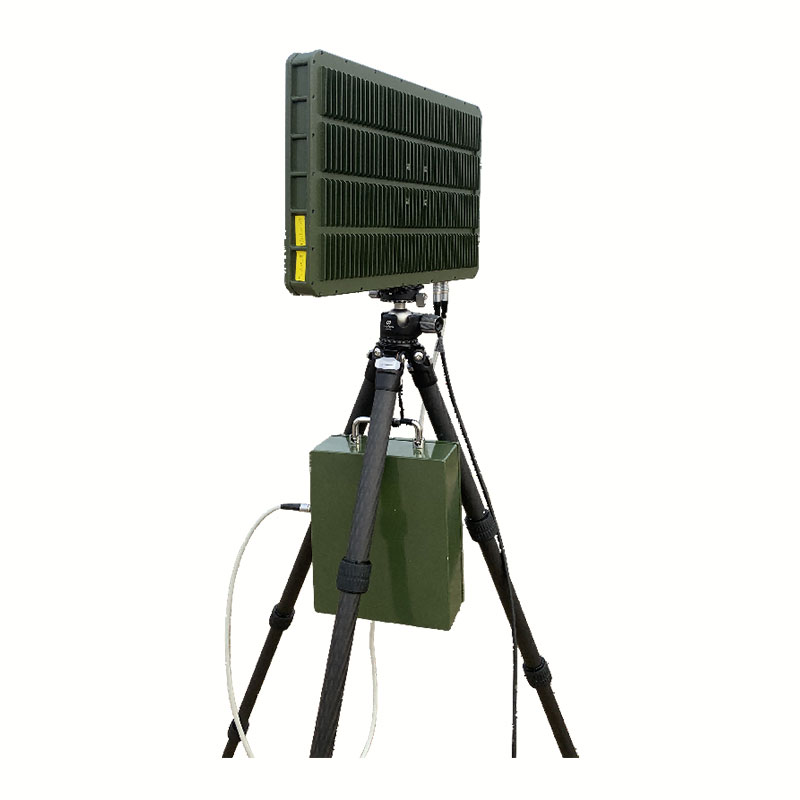
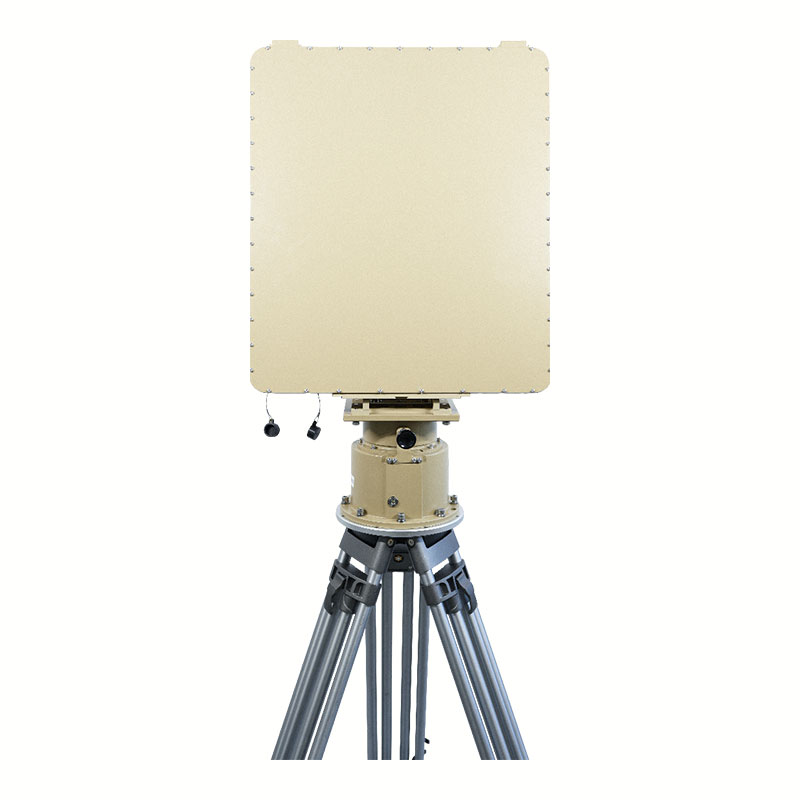
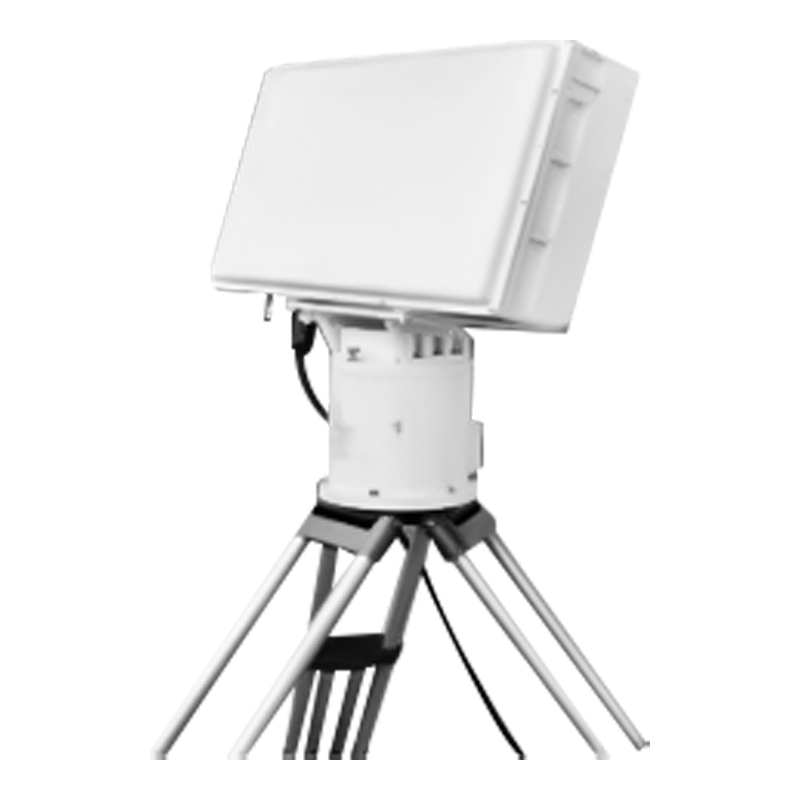
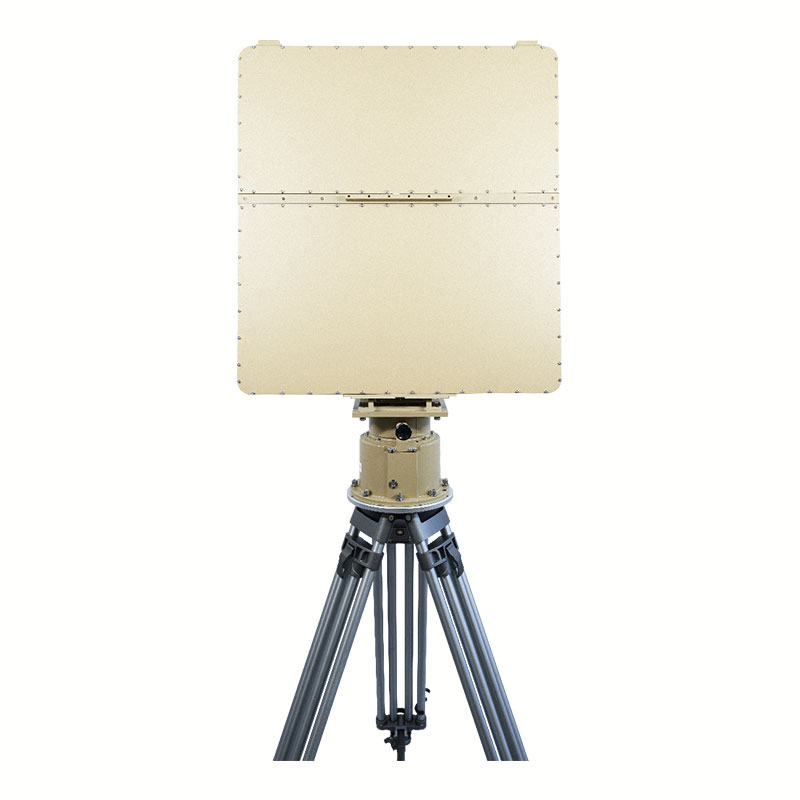
The SDL-TM-LPR-001 radar is a two-dimensional phase-scanning single-sided array radar based on the chip array system. It adopts TWS (Track While Scan) or TAS (Track And Scan) modes to capture and measure targets. TWS can meet the basic detection and monitoring demands for conventional wide-area targets, while TAS satisfies the requirements for high-data-rate continuous tracking and monitoring of key targets. It is mainly used to perform tasks such as searching, capturing and tracking surrounding low-altitude, slow-speed and small unmanned aerial vehicles, measure target parameters, and provide target information for other equipment.
Key Specifications
Operating Frequency Band
Ku-band
Detection Range (False Alarm Rate: 10⁻⁶, Detection Probability: 90%)
Please provide as much detail as possible so we canbetter assist you.
Get Your Tailored Communication Solution
Please specify your deployment platform and operational requirements. Our RF experts will review your architecture and provide professional technical recommendations within 24 hours.
Product Support & Technical Consultation
Discuss Your RF & Microwave Requirements
Looking for microwave or millimeter-wave integrated circuit products? Share your application requirements and our team will recommend suitable solutions based on your frequency range, power level, and system architecture.