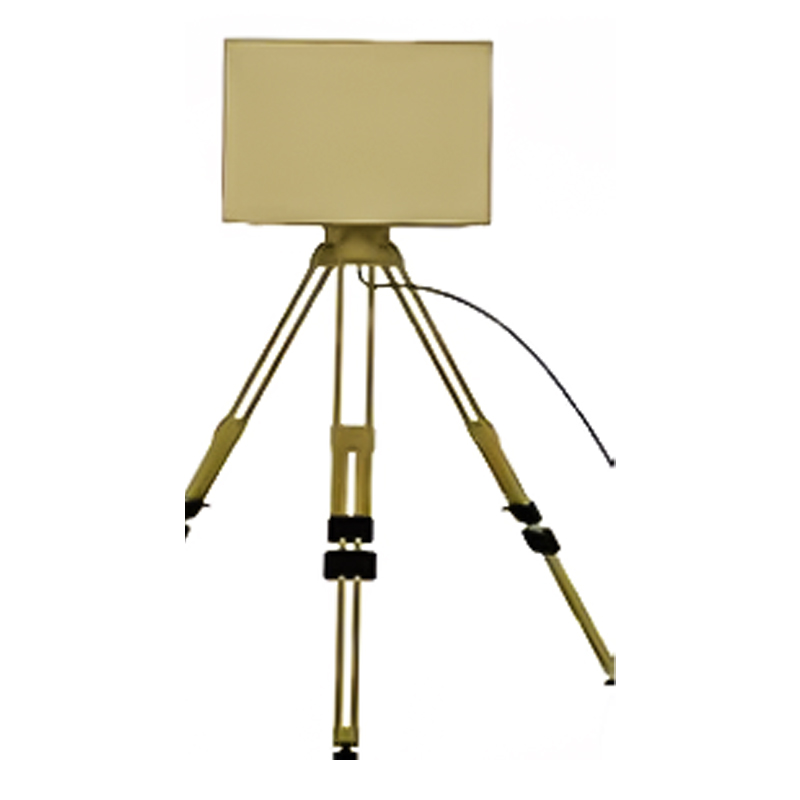
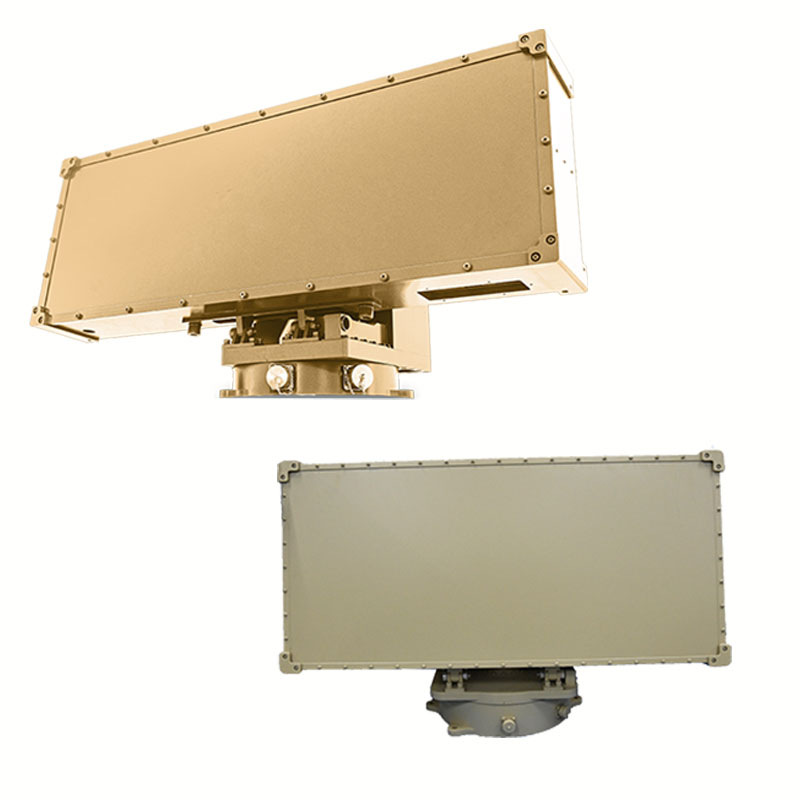
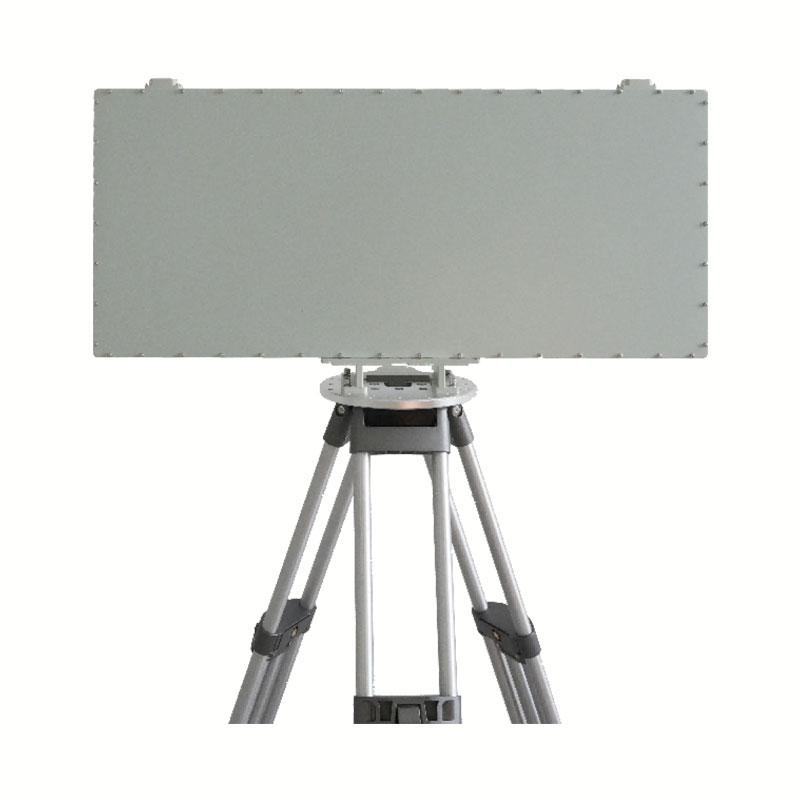
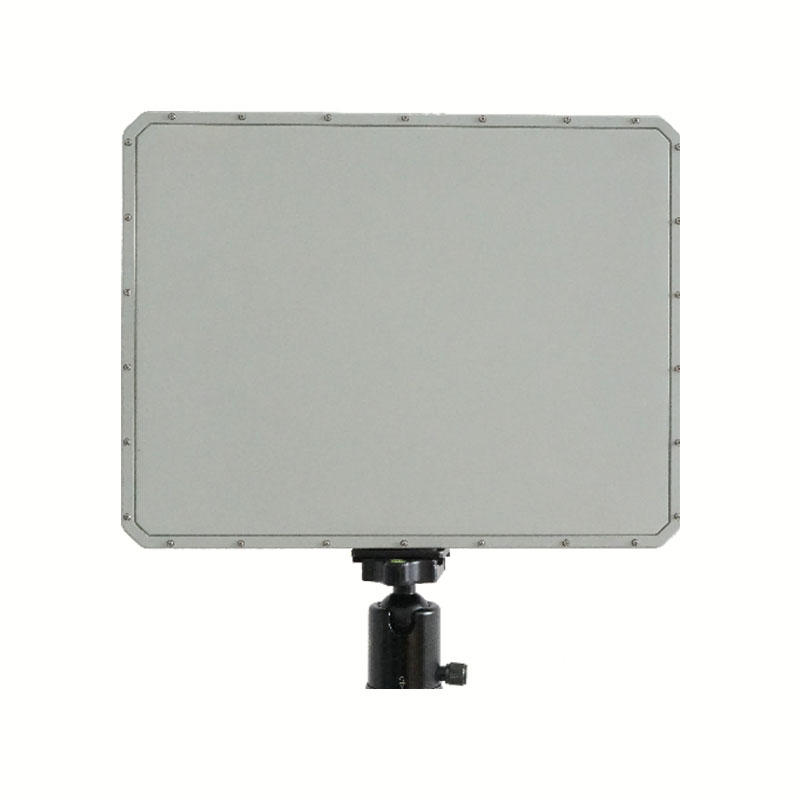
Ku-Band-Überwachungsradar der T-Serie für den Einsatz in geringer Höhe (SDL-T05)
Ku-band low-altitude surveillance radar designed for continuous UAV detection and moving target tracking.
- Mechanical azimuth scanning + elevation DBF
- 5 km low-altitude UAV detection
- High-accuracy moving target tracking
- All-weather surveillance capability
Produktdetails
Produktübersicht
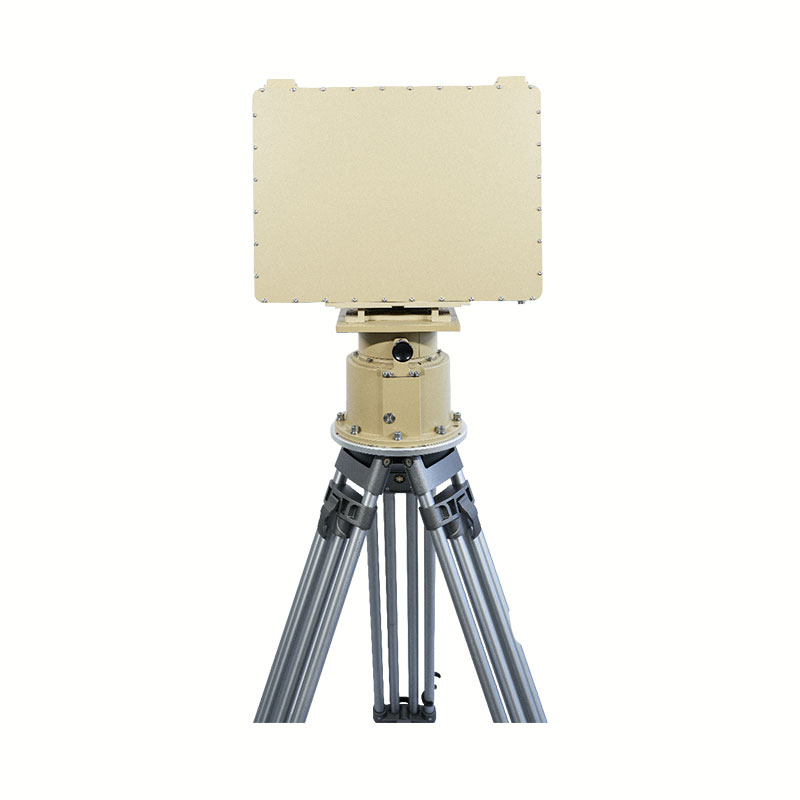
The SDL T05 low-altitude surveillance radar combines azimuth mechanical scanning with elevation digital beamforming technology to provide continuous 360° monitoring and moving target tracking. Designed for all-weather operation, the system supports reliable detection of low-altitude UAV targets with stable tracking accuracy and low false alarm performance. Its compact architecture is suitable for perimeter protection, low-altitude airspace monitoring, and security surveillance applications.
Wichtige technische Daten
| Betriebsfrequenz | Ku-Band |
| Betriebsmodus | Mechanische Azimut-Abtastung, digitales Beamforming (DBF)-System für die Elevation |
| Sichtfeld in der Höhe | -5° bis 60° |
| Horizontales Sichtfeld | 360° |
| Erfassungshöhe | 1000m |
| Reichweite | 5 km |
| Erfassungsbereich |
≥3 km (small rotorcraft UAV, RCS=0.01 m², DJI Phantom 4) ≥5 km (medium fixed-wing UAV, RCS=1 m²) |
| Genauigkeit der Winkelmessung |
Azimut: ≤0,4° (RMS) Neigung: ≤0,4° (RMS) |
| Genauigkeit der Entfernungsmessung | 5 m (RMS) |
| Toter Winkel | 50 m |
Häufig gestellte Fragen
- What is The SDL T05 radar mainly used for?
- It is designed for low-altitude UAV detection and moving target surveillance in security and monitoring applications.
- What scanning technology does The SDL T05 use?
- The radar combines azimuth mechanical scanning with elevation digital beamforming for wide-area coverage and accurate tracking.
- Welche Arten von Zielen kann es erkennen?
- It can detect small rotorcraft UAVs and medium fixed-wing UAVs within its operational coverage area.
- Can the radar operate continuously outdoors?
- Yes. The system is designed for all-day and all-weather operation in outdoor surveillance environments.
- What are typical deployment scenarios?
- It is commonly used for perimeter security, low-altitude airspace monitoring, infrastructure protection, and anti-UAV surveillance systems.