
Vehicle Drone Detection & Auto-Jamming System
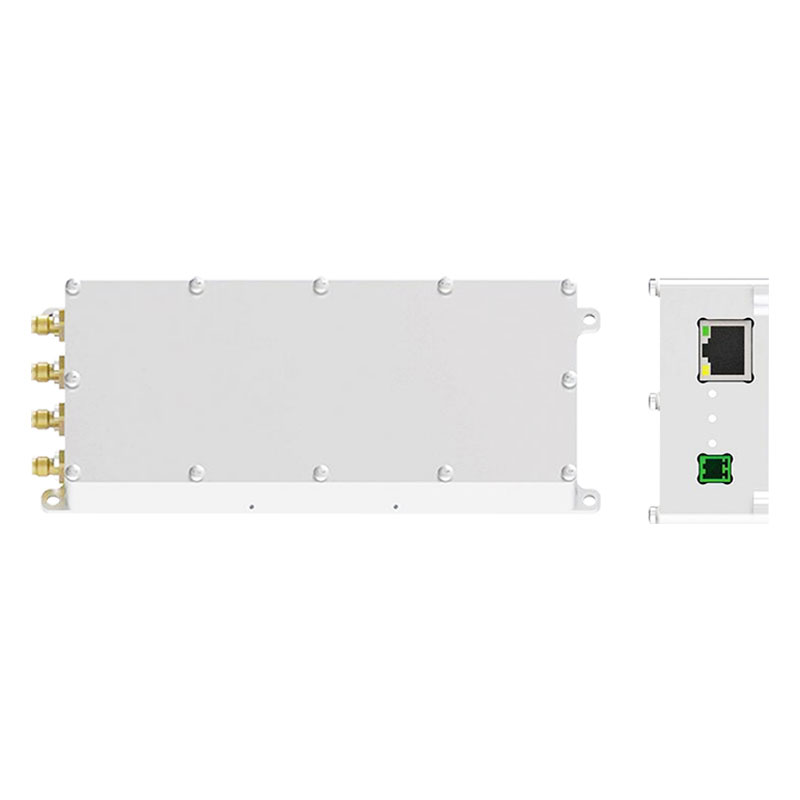
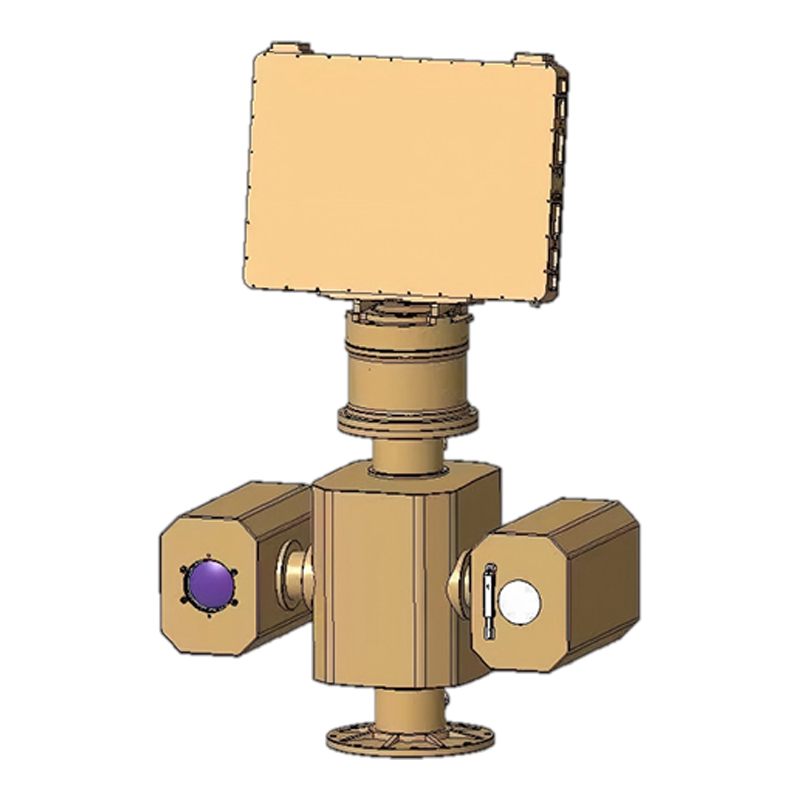
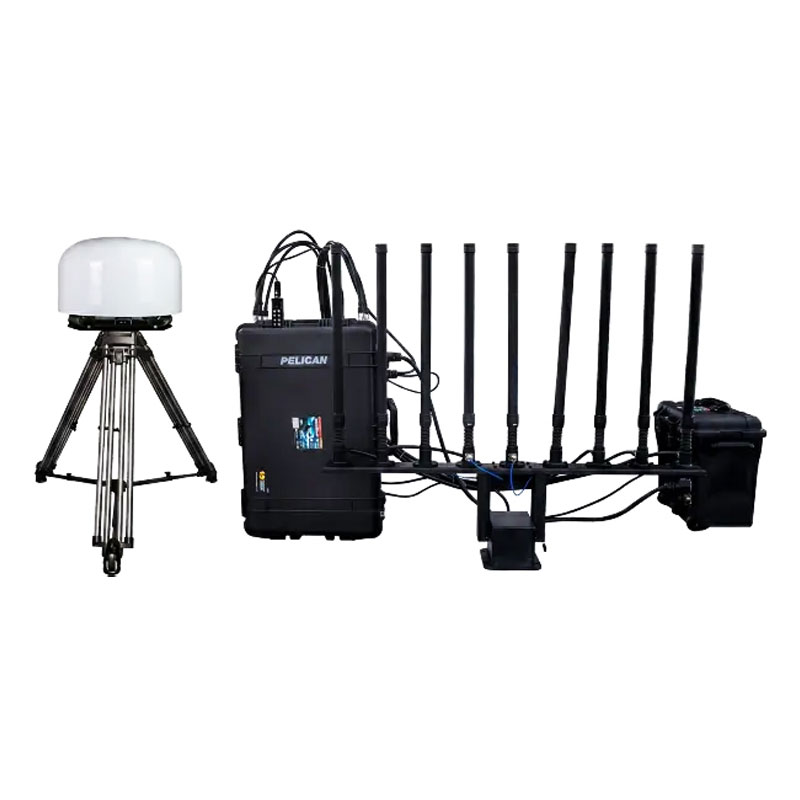
This vehicle-mounted 590W anti-drone system combines passive RF detection (1-10km) and automated noise-sweep jamming (0.8-2km) across 9 channels. Built for high-speed mobile deployment with 360° omni protection.
- Automated Detection and Countermeasure Integration
- 590W Multi-Band Noise Sweep Engine
- High-Speed Mobile 360° Air Defense
- Ruggedized Vehicular SWaP & Circuit Safeguards
Product Details
Product Features
This vehicle-mounted drone detection and jamming system is a comprehensive and professional anti-drone solution. It adopts precise electronic countermeasure technology to block drones’ remote control, GPS and video transmission signals with minimal interference to surrounding electronic equipment. Equipped with omnidirectional panel antennas, it effectively suppresses common frequency bands used by most commercial drones, with a maximum working radius of 3 km. With independent adjustable frequency outputs, operators can activate corresponding frequency channels to trigger drone return-to-home or forced landing. (Optional: GPS Spoofing)
- No redundant signal emission, safe and environmentally friendly.
- Integrated detection and jamming functions; supports automatic jamming once drone signals are captured.
- Detection distance: 1 km – 10 km; Jamming distance: 0.8 km – 2 km.
- Highly integrated structure with low crosstalk and interference between internal modules.
- Stable operation during high-speed movement of the carrier vehicle.
- Compatible with various vehicle models, requiring only minor modifications for installation.
Key Specifications
| Support 6 bands to 12 Bands | ||
|---|---|---|
| Channel | Frequency Range | Output Power(±1.5dBm) |
| 433 | 428-438MHz | 47dBm(50W) |
| 900 | 840-960MHz | 51dBm(120W) |
| 1.2G | 1150-1300MHz | 47dBm(50W) |
| 1.5G | 1560-1610MHz | 47dBm(50W) |
| 2.4G | 2400-2500MHz | 51dBm(120W) |
| 2.4G | 2400-2500MHz | 47dBm(50W) |
| 5.2G | 5150-5300MHz | 47dBm(50W) |
| 5.8G | 5700-5900MHz | 47dBm(50W) |
| 5.8G | 5700-5900MHz | 47dBm(50W) |
| Blocking radius | 0.8km-2km (Based on local area signal strength) | |
| Drone frequency | 100MHz to 6200MHz | |
| Detection distance | 1-10km (Varies due to environment and drone model) | |
| Total output power | 590W | |
| Power consumption | 1100W | |
| Number of antennas | 9 (Support customized frequency) | |
| Device size | 770 × 580 × 450mm | |
| Antenna size | 600 × 32mm | |
| Antenna gain | 8-12dBi Gain | |
| Working angle | 360° | |
| Weight | 120kg | |
| Power supply | 220V AC / 24-28V DC | |
| Cooling system | Systematic smart cooling system | |
| System protection | VSWR, over-voltage | |
| Jamming source | Noise sweep technology | |
| Antenna type | High gain omni-directional antennas | |
| Note | Jammer Frequency customization: 20MHz-8000MHz | |
FAQ
- Q1: How does the automated detection-and-jamming trigger loop optimize response time during high-speed transit?
- A1: The system maintains a continuous passive spectrum scan over the 100–6200MHz window. When an incoming drone’s signal matches an RF signature within the internal database, the core processor initiates an automated relay to trigger the corresponding 590W noise-sweep jamming modules instantly, shielding the convoy without human intervention.
- Q2: There is a variance between the 3km radius mentioned in the description and the 0.8-2km blocking radius in the specs. Can you clarify this capability?
- A2: The 0.8km to 2km metrics represent the guaranteed high-intensity suppression zone when operating in urban environments containing dense background RF noise or near cellular towers. In open rural terrain with low electromagnetic clutter, the effective jamming radius extends up to 3km depending on the target drone’s model and altitude.
- Q3: Why are there duplicate bands specified for 2.4GHz and 5.8GHz, and how are they powered?
- A3: Modern commercial UAVs employ complex dual-channel diversity or separate links for control and HD video streaming. To guarantee complete suppression, the system divides these critical bands across independent modules—allocating 120W and 50W stages to 2.4GHz, and dual 50W stages to 5.8GHz—delivering flat, high-density spectral saturation.
- Q4: What structural protections prevent the power amplifiers from blowing out if an antenna fails during high-speed operations?
- A4: High-speed mobile vibrations can cause coaxial cable loosening or physical antenna damage, which normally results in catastrophic reflective power spikes. This system integrates heavy-duty hardware protection circuitry featuring automated VSWR and over-voltage monitoring that instantly throttles or cuts power to the affected module if an impedance mismatch is sensed.
- Q5: How should the vehicle’s electrical system be configured to handle the 1100W power consumption?
- A5: While the system features dual-input flexibility (220V AC and 24-28V DC), mobile operation on DC requires direct integration with the vehicle’s auxiliary electrical line. To cleanly sustain the 1100W continuous consumption draw without affecting core vehicle electronics, it is recommended to employ a dedicated heavy-duty secondary alternator or an independent high-capacity battery bank.
-
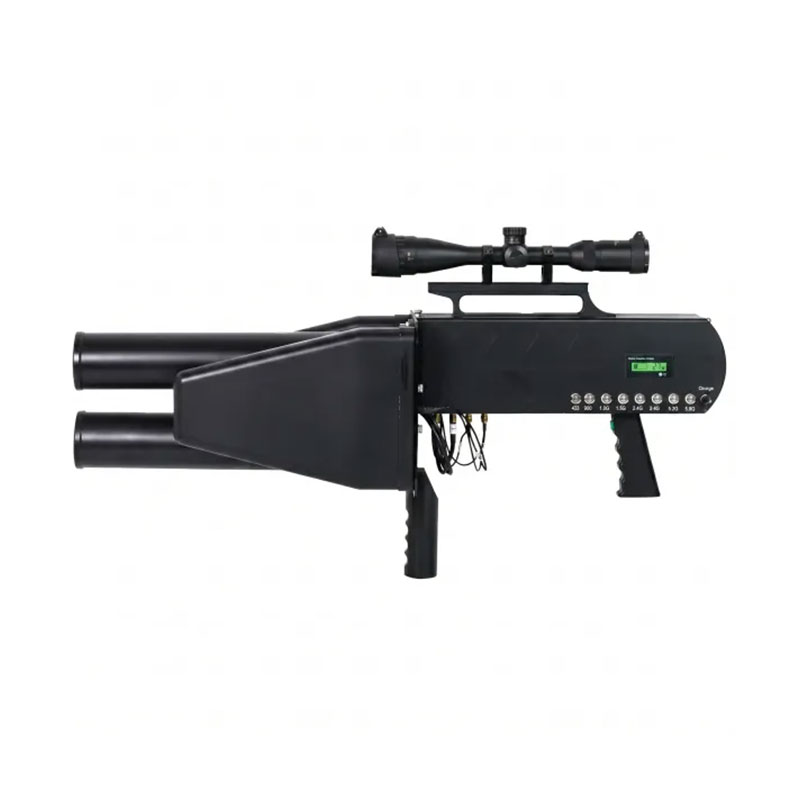
Tactical Handheld Multi-Band Drone Jammer Gun with Modular Split Design
Drone Jammer Series -
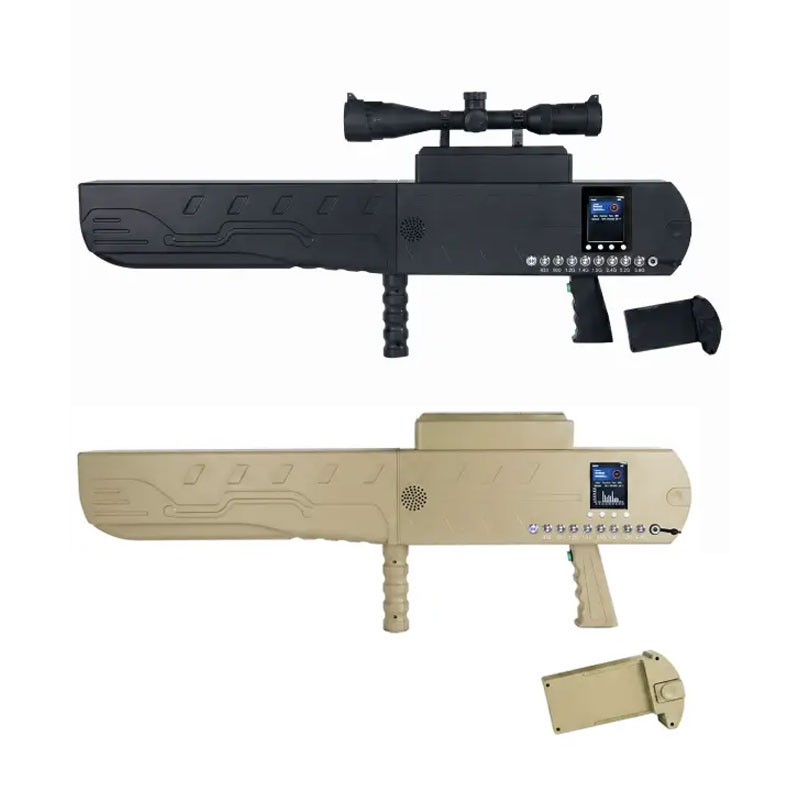
Handheld Integrated Drone Detection and Multi-Band Jamming Gun
Drone Jammer Series