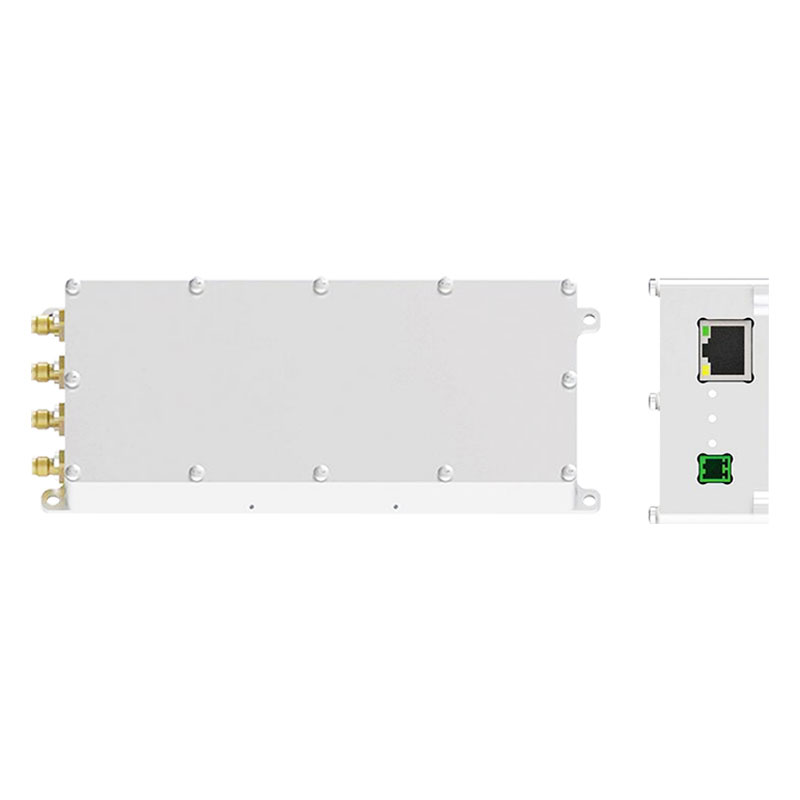

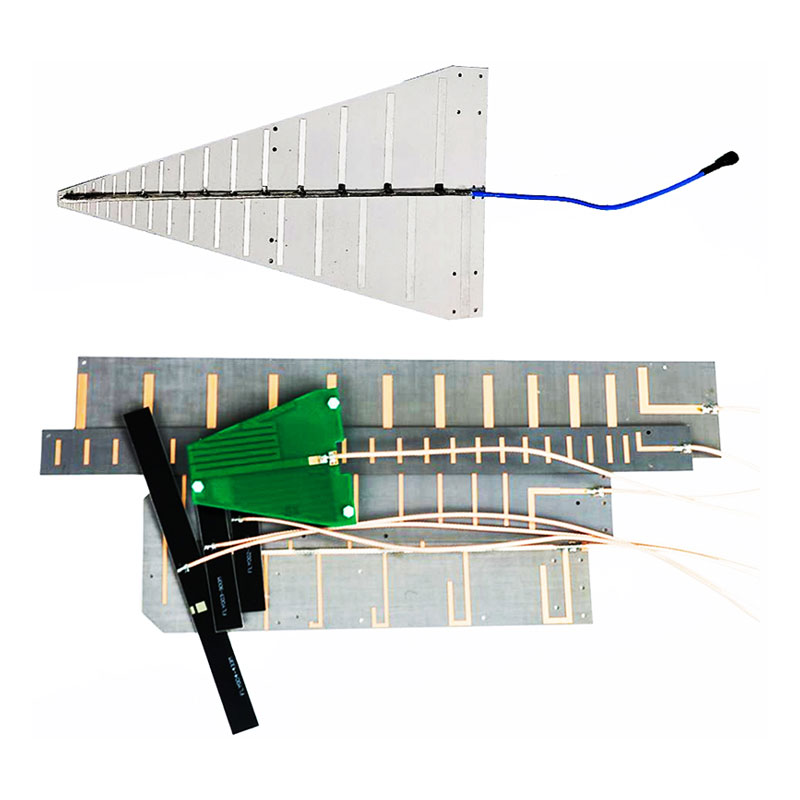
Широкополосная направленная печатная антенна с высоким коэффициентом усиления
This high-gain 3-18dBi directional PCB antenna delivers wideband coverage from 600MHz to 6GHz. Engineered for drone protection equipment, it offers low-cost, space-saving embedded integration.
- Dynamic Wideband Performance (600MHz – 6GHz)
- High-Gain Directional Propagation
- Space-Saving Embedded Integration
- Industrial-Grade Thermal Resilience
Сведения о товаре
Характеристики продукта
PCB antennas are integrated wireless transceiver components printed on circuit boards. During transmission, they convert high-frequency current into electromagnetic waves. During reception, they capture space electromagnetic waves and convert them into high-frequency current for receiver input.
PCB antennas feature small size, low cost and no separate assembly requirement. They are touch-resistant, free from external damage, and greatly simplify overall product assembly.
Параметры индикатора
| Диапазон частот | 433MHz, 500MHz, 600MHz, 700MHz, 900MHz, 1.2GHz, 1.4GHz, 1.5GHz, 2.4GHz, 5.2GHz, 5.8GHz, 600MHz-6GHz |
| Коэффициент усиления антенны | 3-18dBi |
| Направленность | Orientation |
| Рабочая температура | -35℃ to +65℃ |
| Сфера применения | Drone protection equipment |
| Материал | PCB |
Часто задаваемые вопросы
- Q1: How does a single PCB antenna manage such a broad gain variation from 3 dBi up to 18 dBi?
- A1: The variation stems from the log-periodic or array layout etched onto the substrate. At lower frequencies (such as 433MHz), the electrical aperture produces a wider beam and moderate gain (~3dBi), whereas at higher microwave frequencies (such as 5.8GHz), multiple elements act as a dense directional array to scale the gain up to 18dBi.
- Q2: What are the key advantages of using a PCB antenna instead of an external fiberglass or horn antenna in drone defense?
- A2: A PCB antenna allows for completely embedded layouts inside compact handheld or portable anti-drone devices. It eliminates cable losses from long external pigtails, removes the risk of external mechanical snapping or touch damage, and drastically lowers manufacturing costs through automated pick-and-place assembly.
- Q3: Does the near-field substrate material affect the radiation pattern when integrated into device enclosures?
- A3: Yes, metal enclosures or adjacent high-density components will distort the directional radiation pattern and shift the impedance matching. For optimal 3–18dBi gain performance, the antenna section must be positioned away from metallic shielding or mounted within an RF-transparent ABS/polycarbonate radome window.
- Q4: How does this microstrip directional design improve target targeting compared to an omni antenna?
- A4: By constraining the beamwidth into a specific sector, a directional PCB antenna multiplies the effective isotropic radiated power (EIRP) forward. In drone protection systems, this means jamming signals or passive detection sensitivity can reach much deeper into an incoming threat vector without wasting RF power in safe directions.
- Q5: What considerations should be taken regarding thermal performance when feeding high power into this PCB substrate?
- A5: Because the traces are etched onto standard PCB dielectric materials, sustained high-power RF transmission generates localized thermal stress. System engineers should ensure adequate cooling paths or limit continuous wave (CW) input power to prevent trace delamination, ensuring stable operation across the -35°C to +65°C rating.
Сопутствующие товары
-
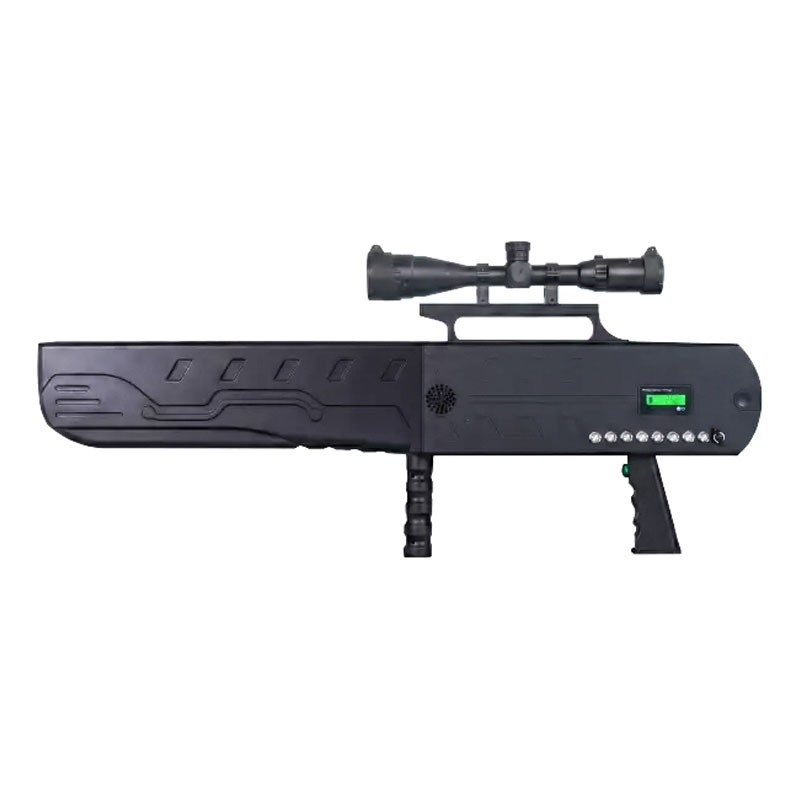
Тактический портативный многодиапазонный пистолет-глушитель дронов
Серия устройств для подавления сигналов дронов -
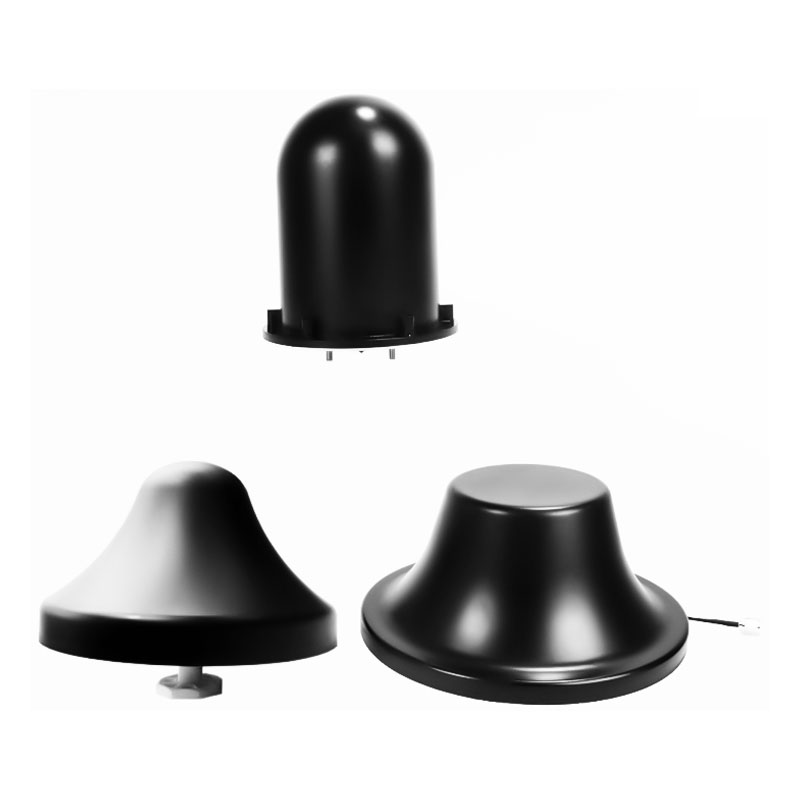
Широкополосная многодиапазонная всенаправленная купольная антенна
Принадлежности для антенн -
Система тюремного глушителя с высокомощным многодиапазонным цифровым синтезом
Серия устройств для подавления связи