
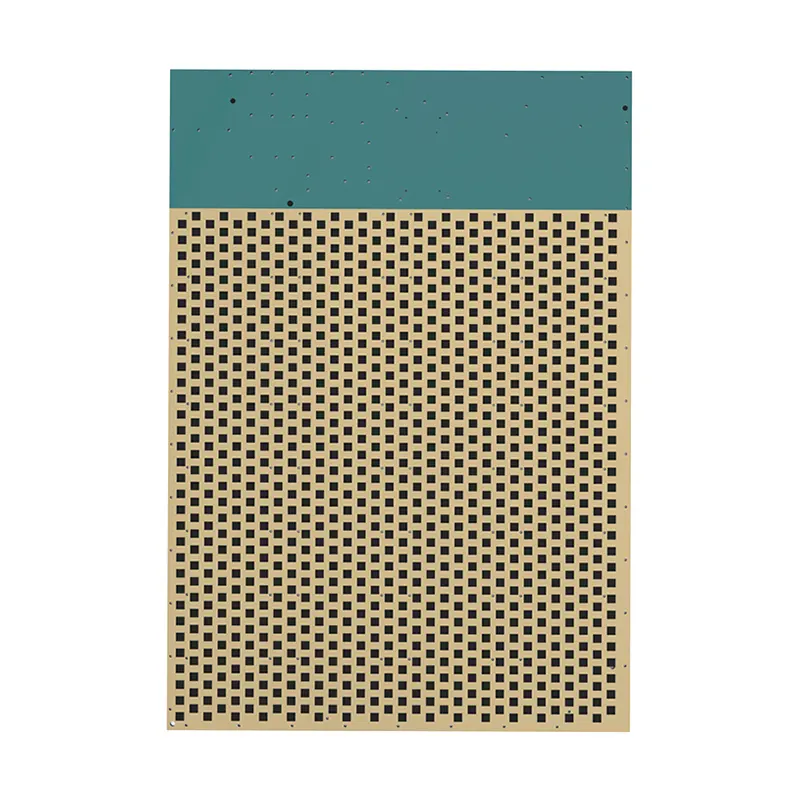
SDL-256C Ku-Band Dual-Beam Tileable Receive-Only Phased Array Antenna Panel

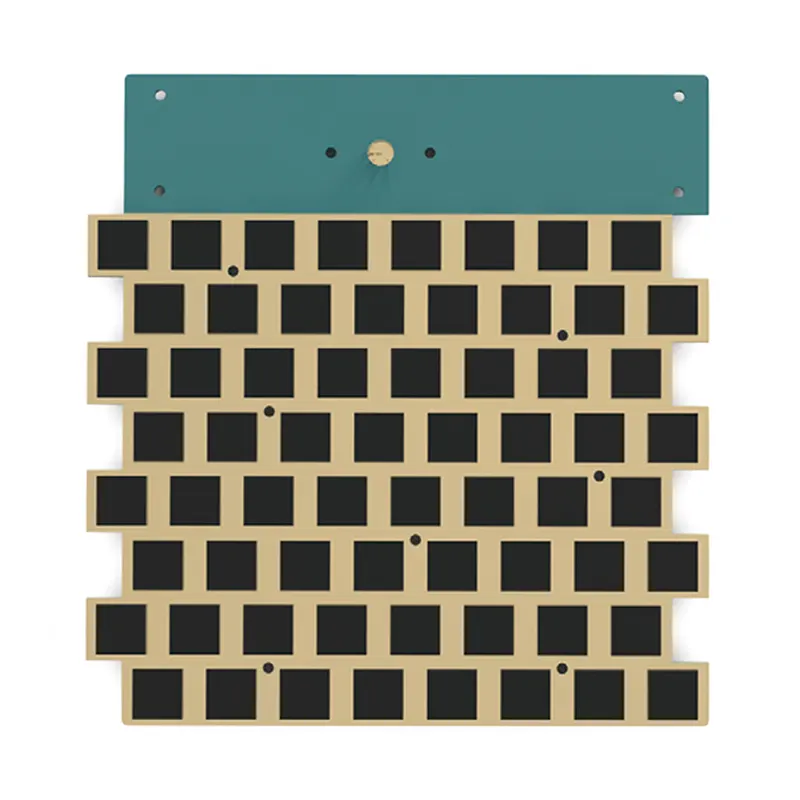
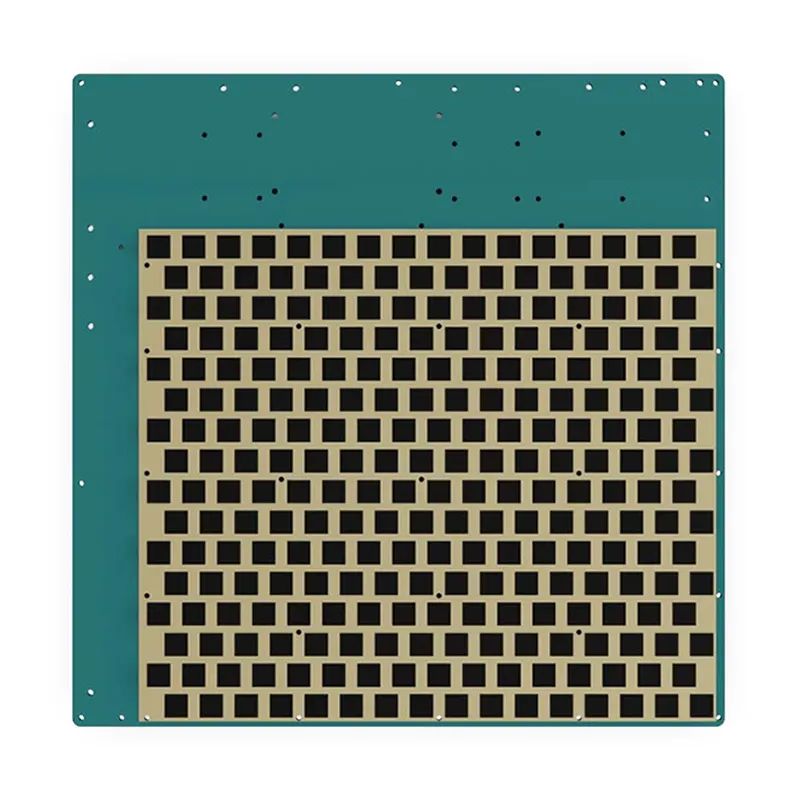
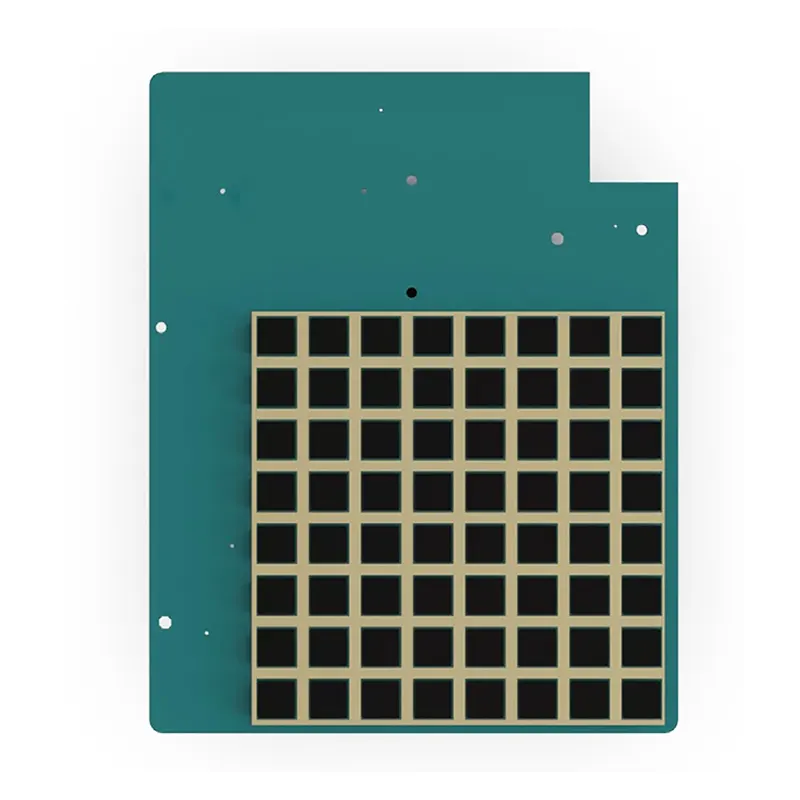
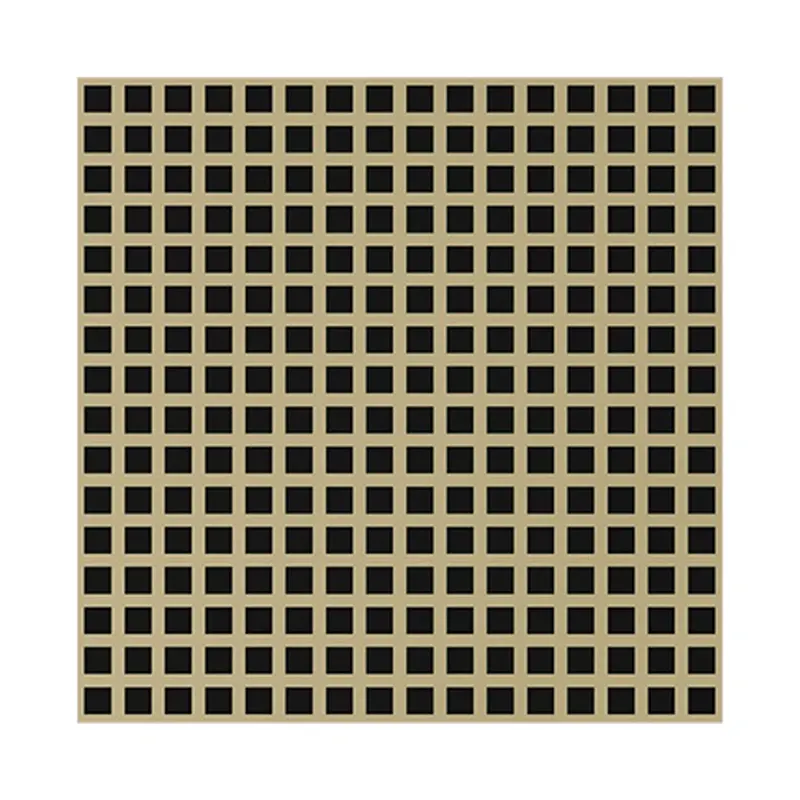
The SDL-256C is a highly versatile 400g Ku-band phased array rx antenna panel featuring dual-beam capabilities and a fully tileable architecture powered by SmartFusion technology for modular satellite network deployments.

  • Size & Weight: 190×190×15mm Modular Tile, ≤400g Lightweight Build
  • Core Tech: Dual-Beam Architecture, Fully Tileable Design, SmartFusion Engine
  • Tracking Sweep: 360° Azimuth, 0°–65° Electronic Elevation Scan
  • Ports & Power: SPI Control, SMP RF, 12V, ≤40W Ultra-low Draw

Product Details

Product Overview

System architects designing large-scale satellite ground stations or high-gain mobile terminals often face massive development hurdles when trying to scale flat-panel systems without adding extreme bulk and power overhead. The SDL-256C eliminates these scalability bottlenecks by introducing a fully tileable, brick-style building block that allows multiple panels to splice together seamlessly into a larger aperture. Delivering a baseline G/T ratio equal to or greater than 4.5 dB/K and supporting dual-circular polarization combining into arbitrary linear tracking, it captures deep data streams without signal degradation. By combining dual-beam processing into an ultra-thin 15mm modular frame that operates reliably from -40°C to +70°C, it offers a highly scalable LEO GEO satellite reception platform engineered to adapt to custom aperture requirements.

Key Specifications

Receiving Frequency (Rx) 10.7-12.75GHz (Expandable up to 14GHz)
Polarization Mode Dual Circular Polarization synthesizing arbitrary linear polarization
G/T Value ≥4.5 dB/K
Scan Range Azimuth: 0-360°; Elevation: 0-65°
Dimension ≤190mm×190mm×15mm
Weight ≤400g
Power Consumption ≤40W
Operating Temperature -40℃~70℃
Storage Temperature -55℃~85℃
Control Interface SPI
Combiner Interface SMP
Power Supply 12V DC
With Wave Control No
Array Splicing Support Fully spliceable

FAQ

How does the tileable architecture of the SDL-256C benefit custom terminal designs?
The SDL-256C is designed as a fully modular block, meaning multiple 190mm x 190mm panels can be physically and electronically tiled together to create custom, large-aperture array faces. This allows engineers to scale up the system gain (G/T ratio) and directional performance easily to match specific bandwidth demands, without needing to develop entirely new custom antenna hardware from scratch.
What are the operational advantages of the dual-beam capability built into this panel?
Unlike standard single-beam panels, the SDL-256C features an advanced true dual-beam processing architecture. This allows the array tile to track and lock onto two separate satellites simultaneously within its wide scan range (0–65° elevation). This feature is critical for fast-moving Low-Earth Orbit (LEO) constellations, enabling seamless, make-before-break handovers between descending and ascending satellites without dropping data packets.
What type of electrical interfaces are used, and does it include on-board beam control?
This ku-band satellite receiver tile utilizes a standard SPI control interface for command routing and high-frequency SMP connectors for its RF combining path. To maximize system-level integration flexibility and maintain an ultra-low 40W power profile per tile, the board does not contain independent beam-control (wave control) hardware, allowing a centralized external controller to manage the phase and steering parameters of a fully tiled array matrix smoothly.
Scroll to Top

Leave A Message

Please provide as much detail as possible so we canbetter assist you.
satellite_communication

Get Your Tailored Communication Solution

Please specify your deployment platform and operational requirements. Our RF experts will review your architecture and provide professional technical recommendations within 24 hours.

Product Support & Technical Consultation

Looking-for-the-Right-Solution

Discuss Your RF & Microwave Requirements

Looking for microwave or millimeter-wave integrated circuit products? Share your application requirements and our team will recommend suitable solutions based on your frequency range, power level, and system architecture.

Product Support & Technical Consultation